Monday September 30
We had a bit of time before our train to Rome later in the day, this gave a chance to head back to see Florence Cathedral, which had been closed due to the festival on Saturday & Sunday church services.
Cattedrale di Santa Maria del Flore
We had thought we were rather clever getting there early but of course there was already a substantial queue. Beyond honing our queuing skills, this gave us a chance to appreciate the church’s fine detailing.
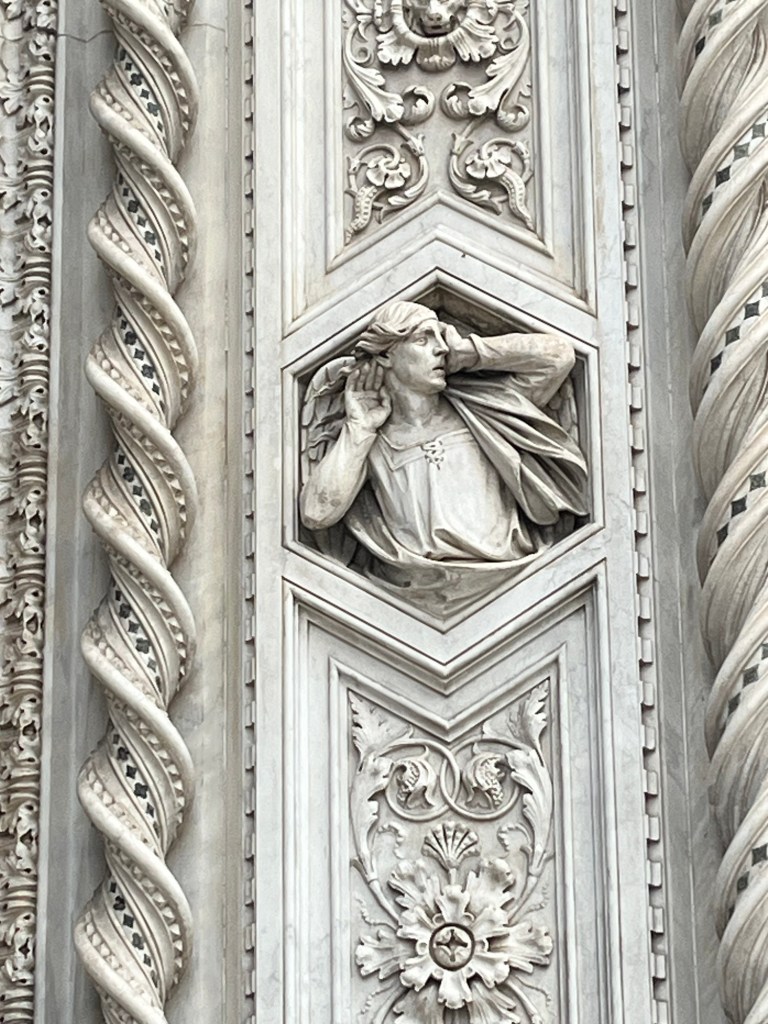
The Cathedral is the third largest church in the world, and while the current building dates from 1296, it turns out that the current multi-coloured (polychrome if you’re fancy) marble facade is relatively recent, dating only from 1876. It was designed to match the neighbouring bell tower and baptistery.
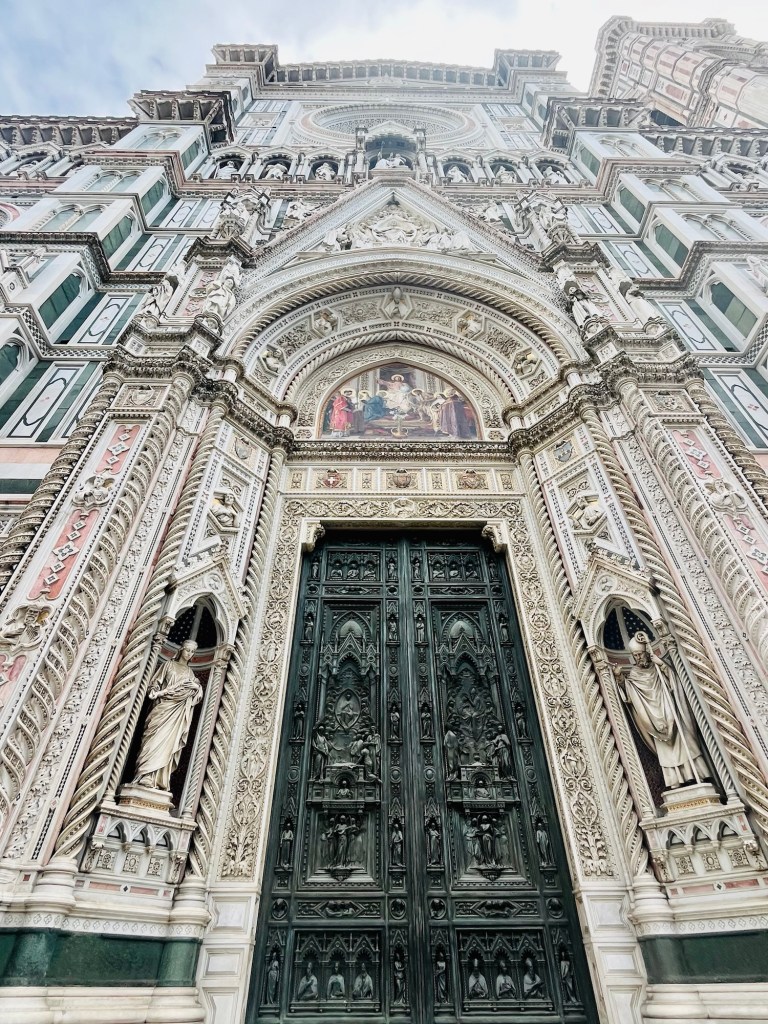
After shuffling along in the queue we were able to get in the cathedral. If the outside of the Cathedral is a riot of colour, the interior seems a tad spartan.
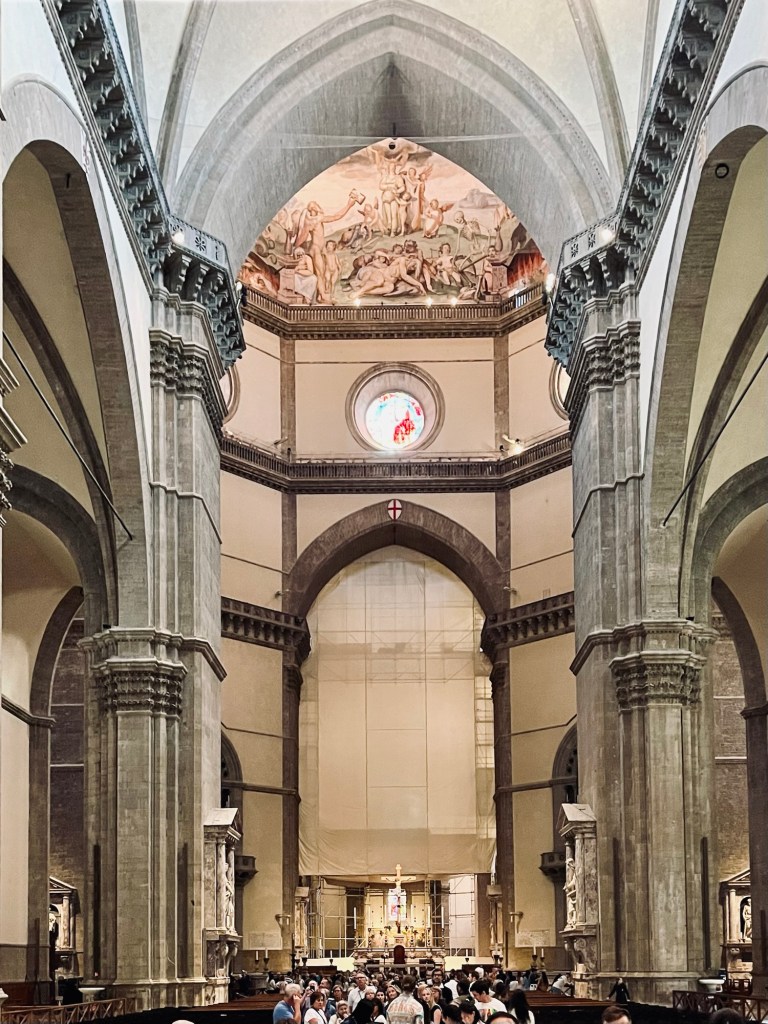
It turns out that this is due to two reasons, the first is the most prosaic with some more decorative elements being moved into Museums.
The other is Florence fell under the spell of a fire-brand priest in the late 1490s, Girolamo Savonarola, who railed against the excesses of secular society. Savonarola led ‘bonfires of the vanities’, no not the Tom Wolfe novel, or lacklustre 1990 film featuring Tom Hanks, but burning objects deemed to be sinful like art, make-up & mirrors. Hence the cathedral became a tad austere.
Savonarola’s religious revival went rather swimmingly until he started slagging off his boss, Pope Alexander VI, in public. This is generally not a good idea, and definitely not a good idea in the fifteenth century. Savonarola was shown the door, by which I mean, he was excommunicated, tortured, hanged, & burned alive, with his ashes being dumped in the nearby Arno river. The Employment Relations Authority would have had a field day.
Nevertheless, Savonarola had a lasting impact influencing another little known German renegade priest, Martin Luther.
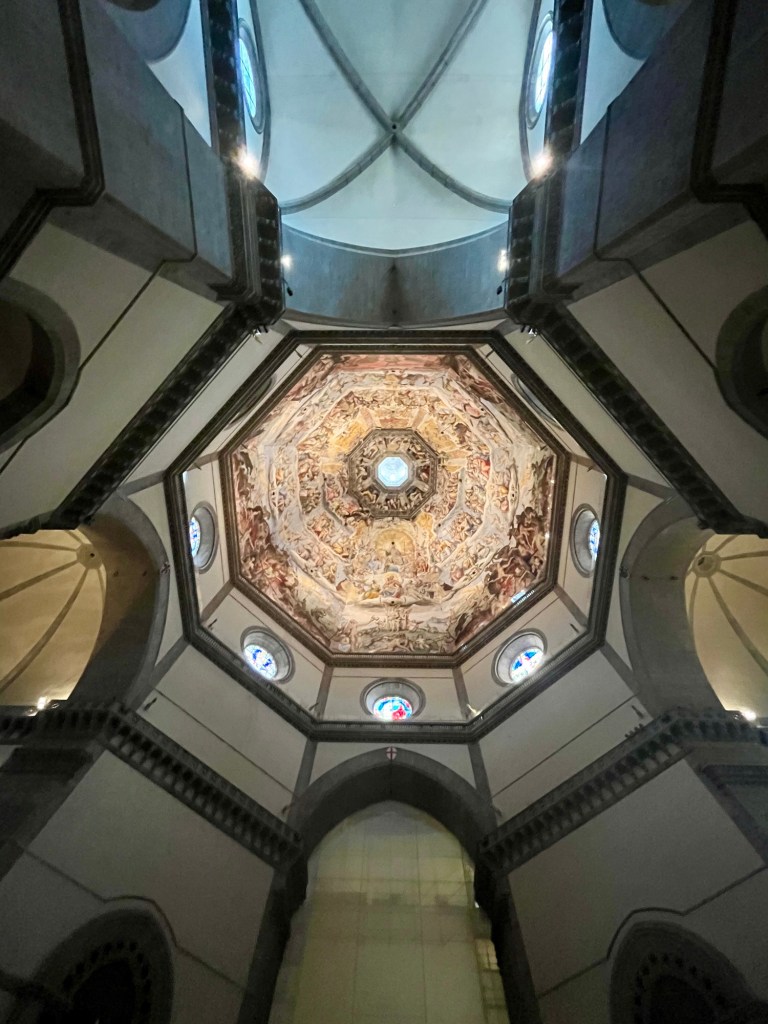
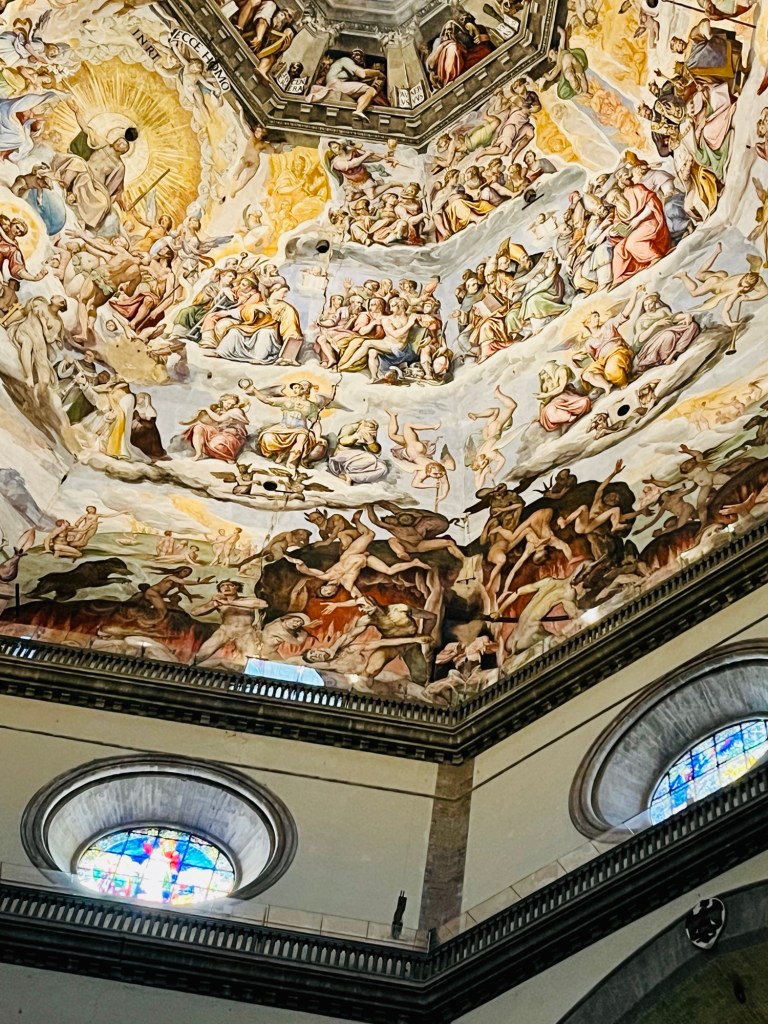
The ceiling of the dome however is definitely not sober, commissioned by Cosmo Medici in 1572, who was the same chappy who founded the Uffizi.
Chiostro dello Scalzo
Leaving the cathedral we headed back to our hotel. During our travels we had seen this funny looking small chapel tacked onto the side of another larger building, as we still had a bit time of left we decided to pop our heads in.
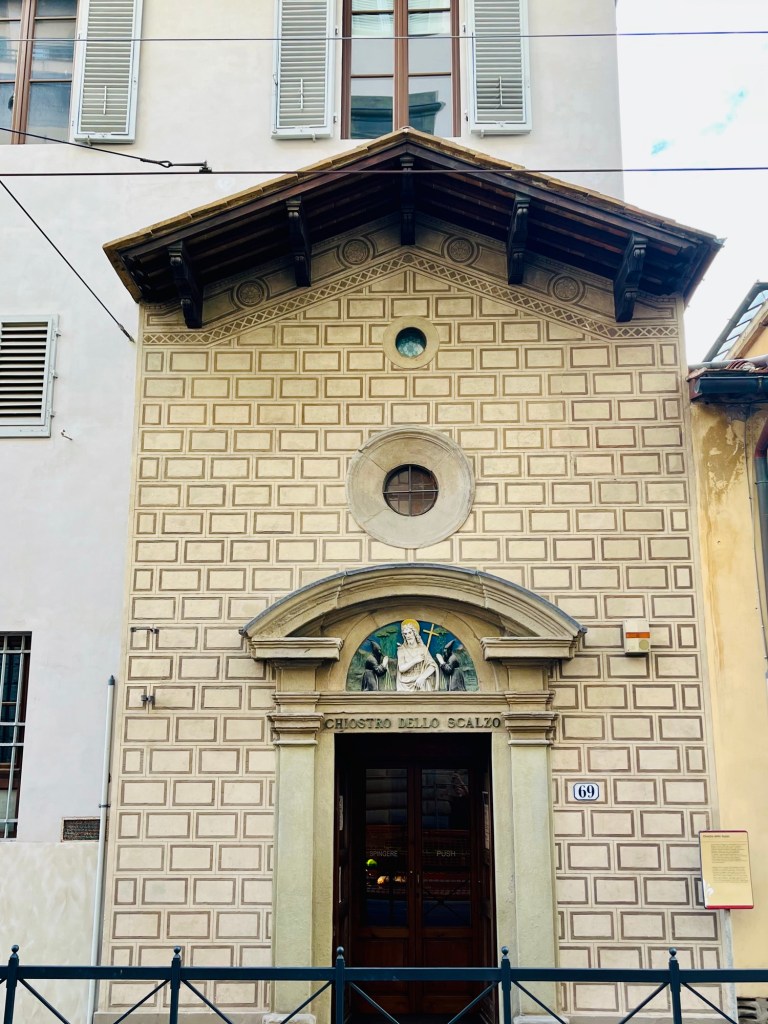
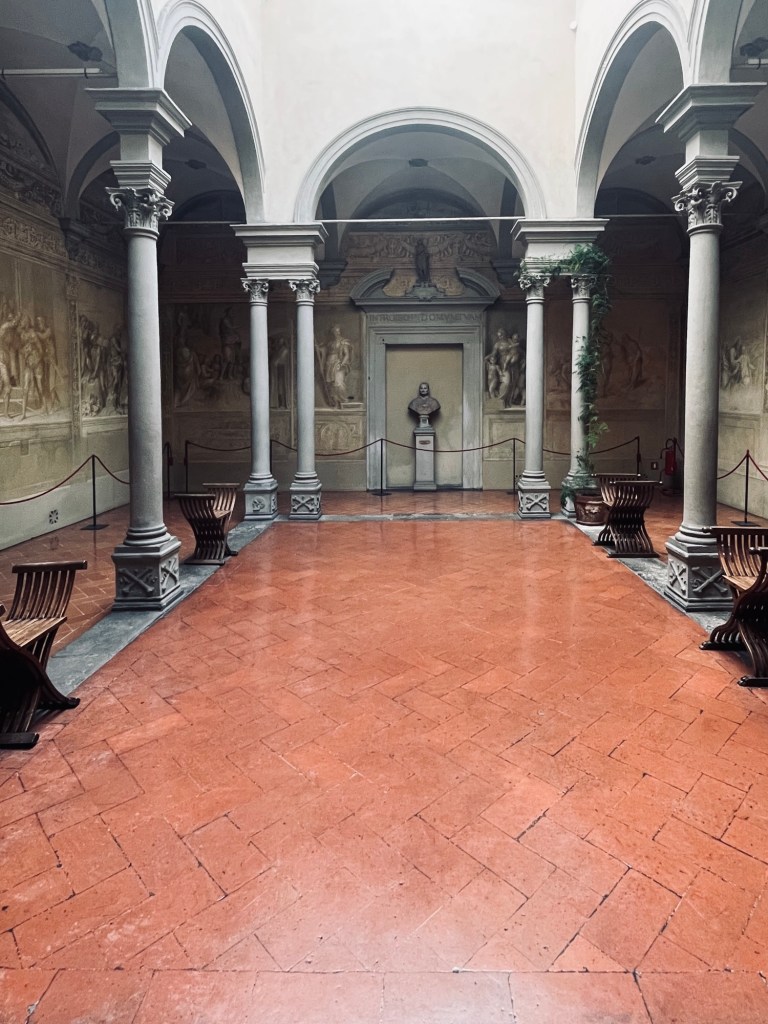
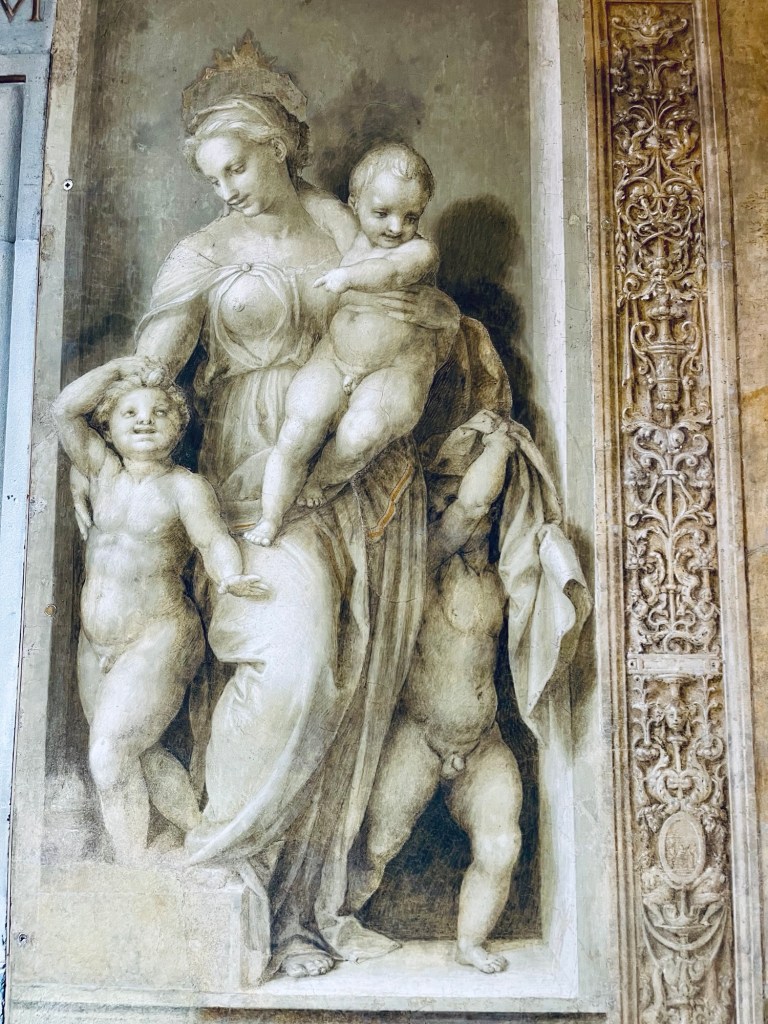
This turned out to be one of the unexpected and extraordinary things we saw. While the chapel had been deconsecrated centuries ago, the cloister had been preserved due to the quality of its frescos.
The frescos were painted by Andrea del Sarto in 1526, he was famous at the time but died quite young and was eclipsed by his little known peers Michelangelo, Da Vinci, and Raphael.
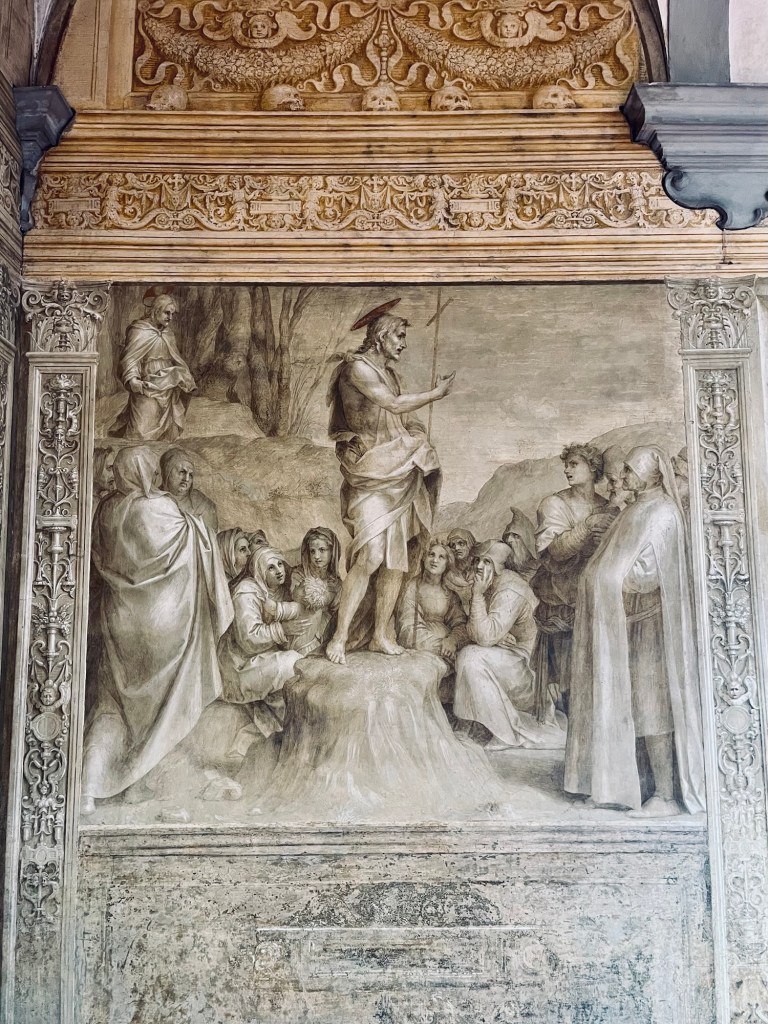
The frescoes were demounted in the 1960s and toured the Met in NYC, the Rijksmuseum & in London.
Rome-ward bound
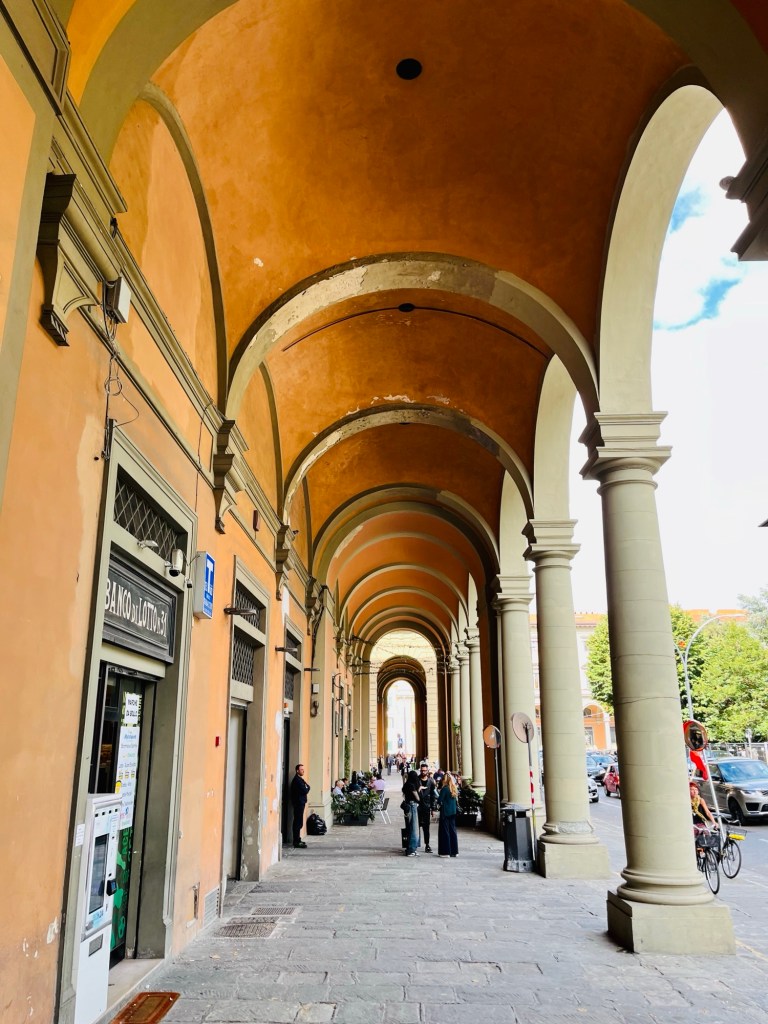
We took the fast rail from Florence to Rome, arriving into Rome had feeling you walked into some archaeological park.
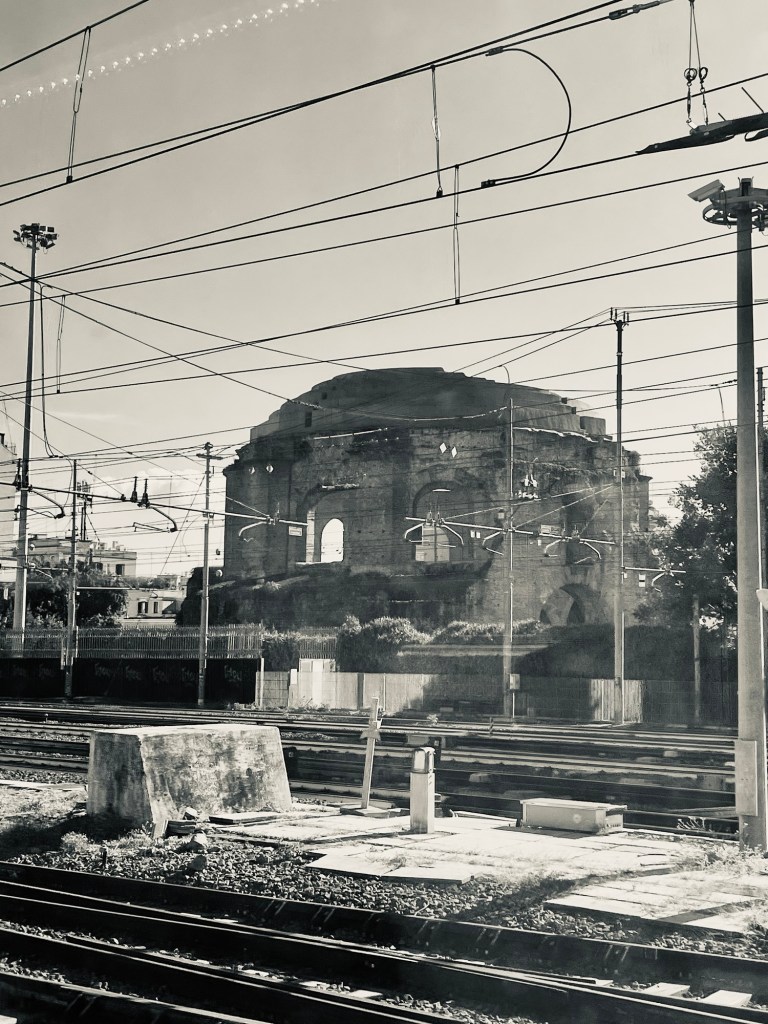
This isn’t an exaggeration, the main railway station literally has Roman ruins in it, these turn out to be part of the Servian Wall built 400BC. The traffic around the station was fairly formidable, but we were able to navigate our way to where we were staying at Quirinal Hill.
Rome-ing
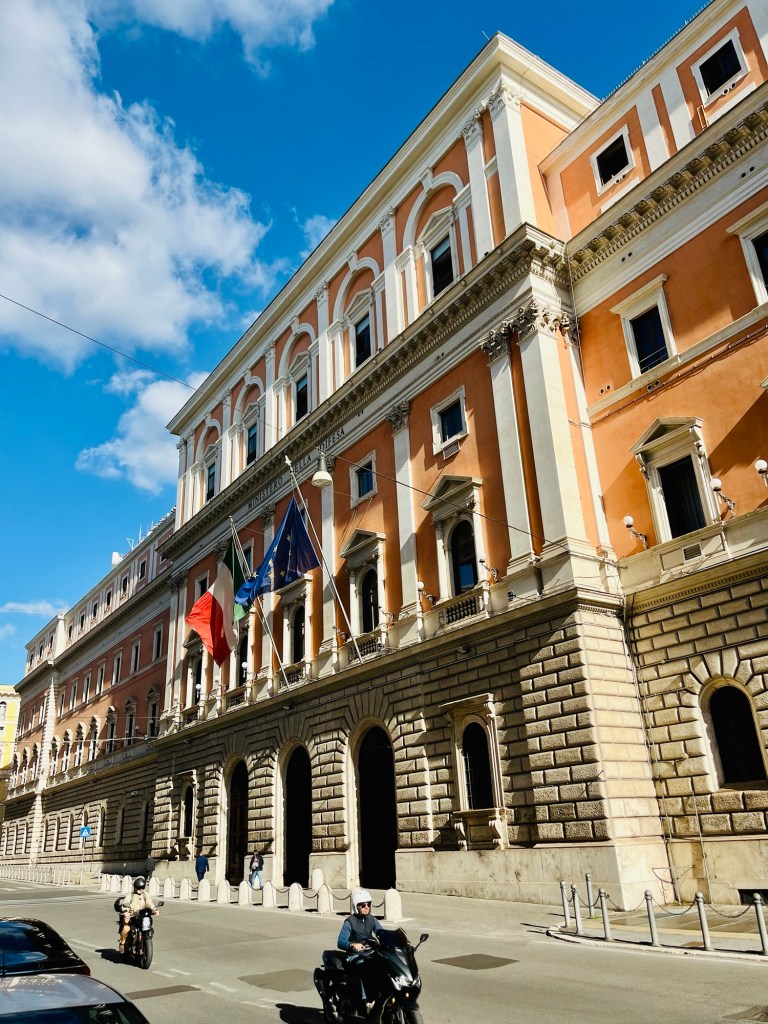
After dropping our things off at our hotel we decided to go to have a looksie.
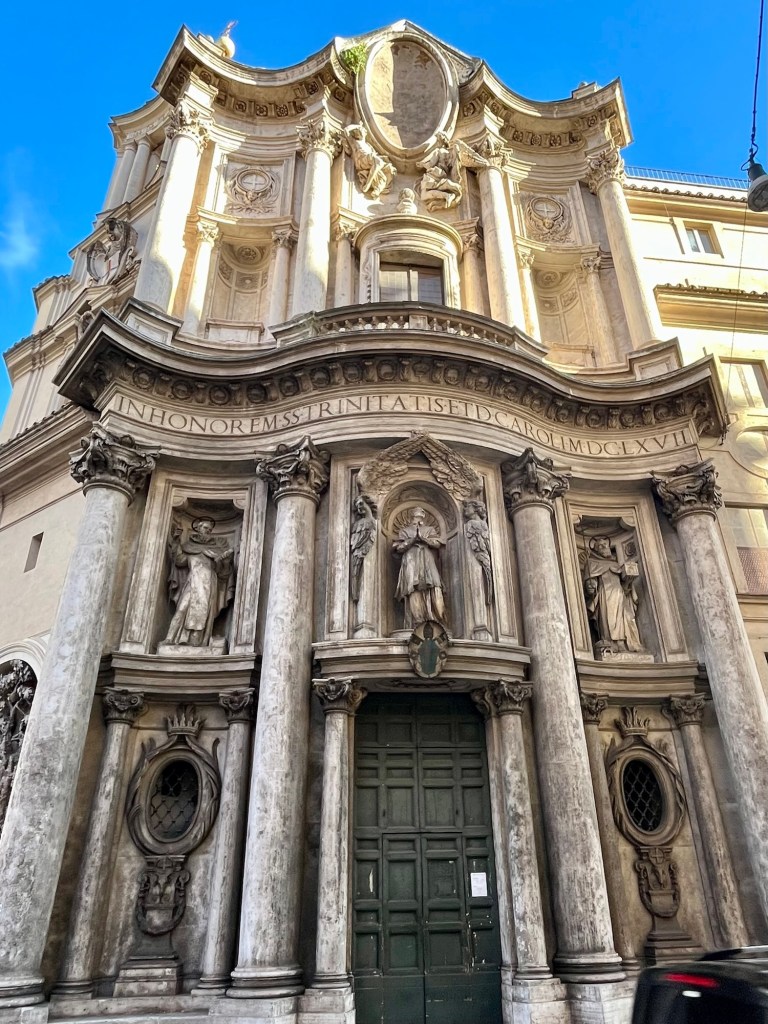
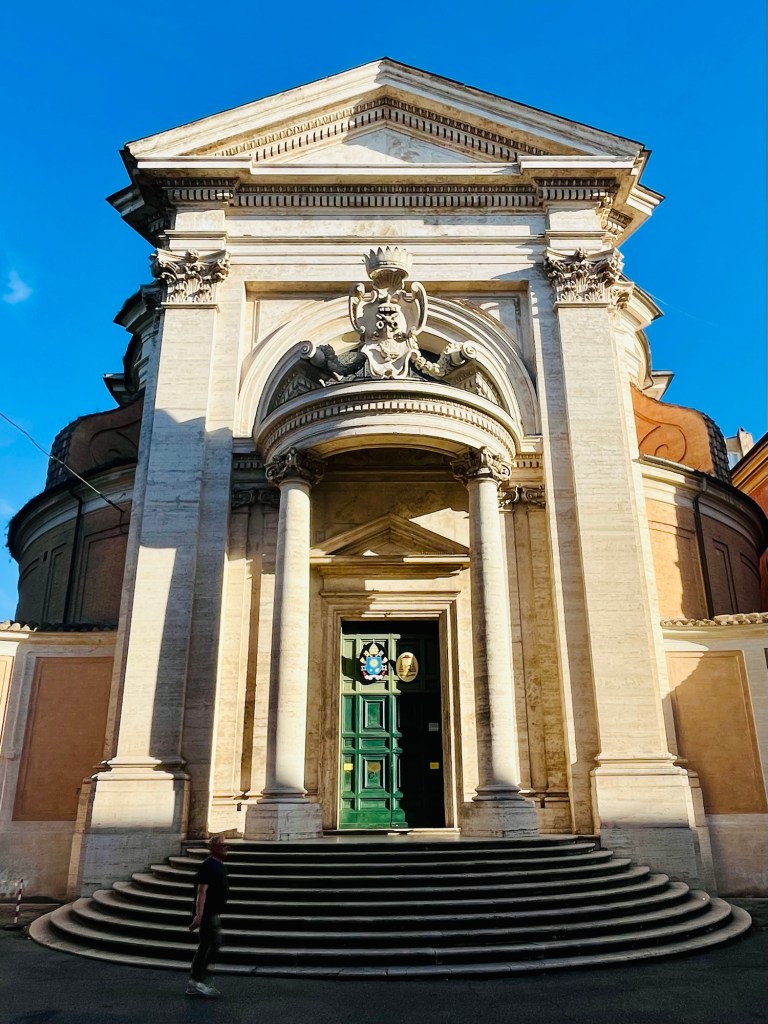
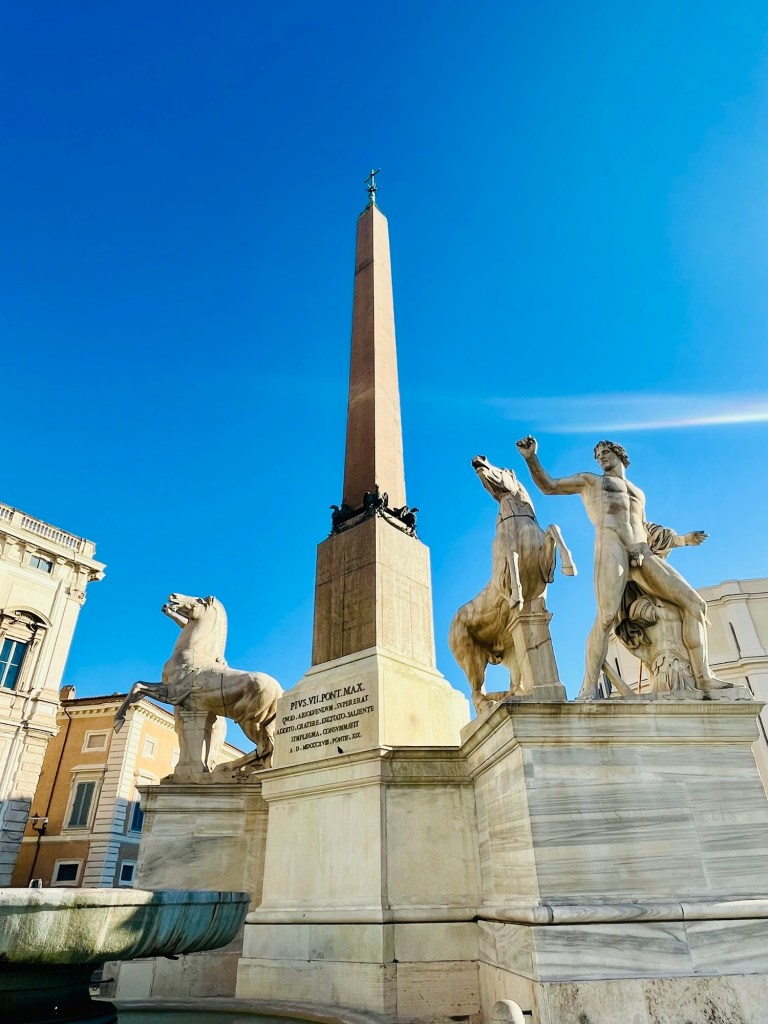
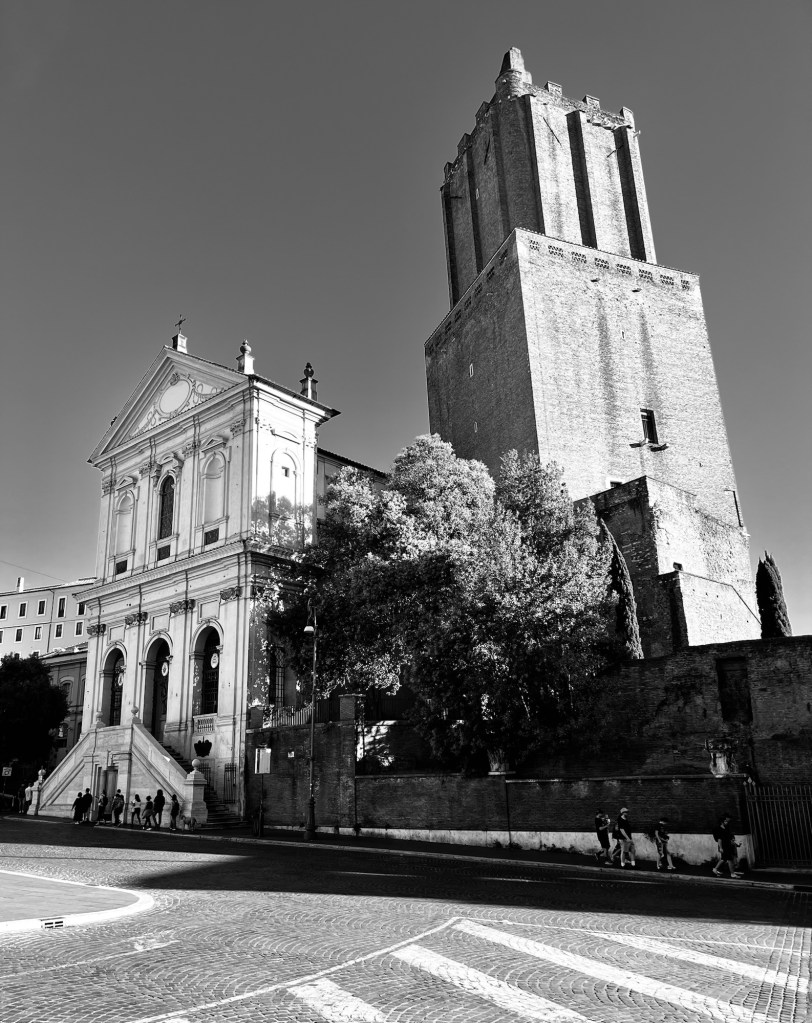
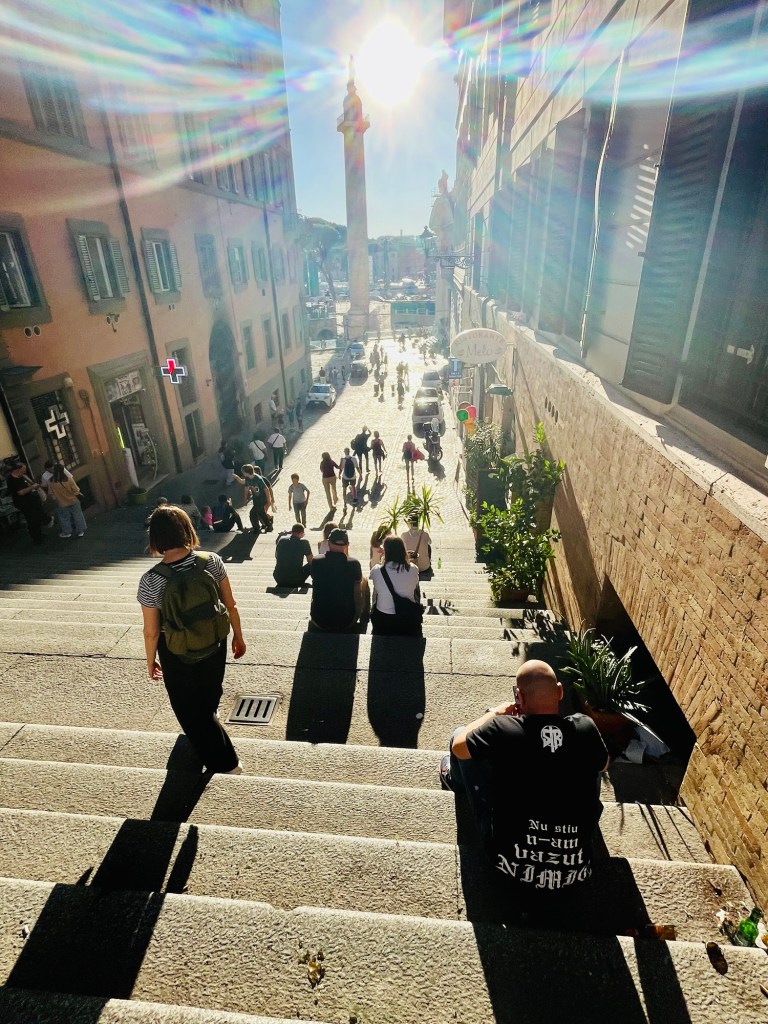
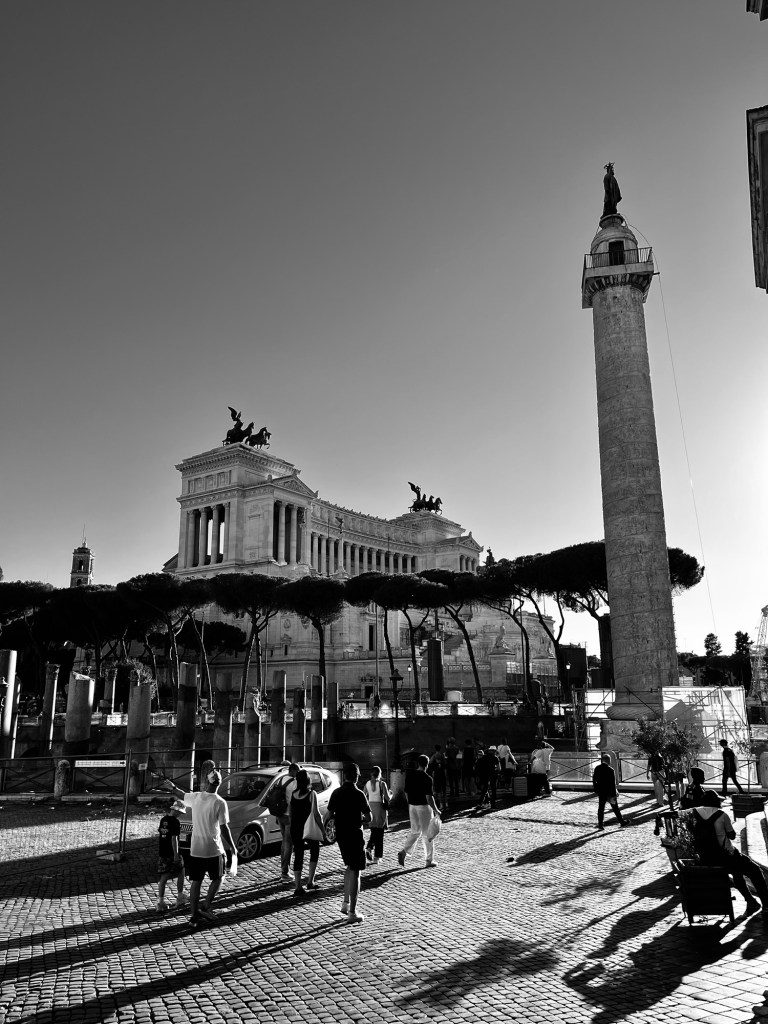
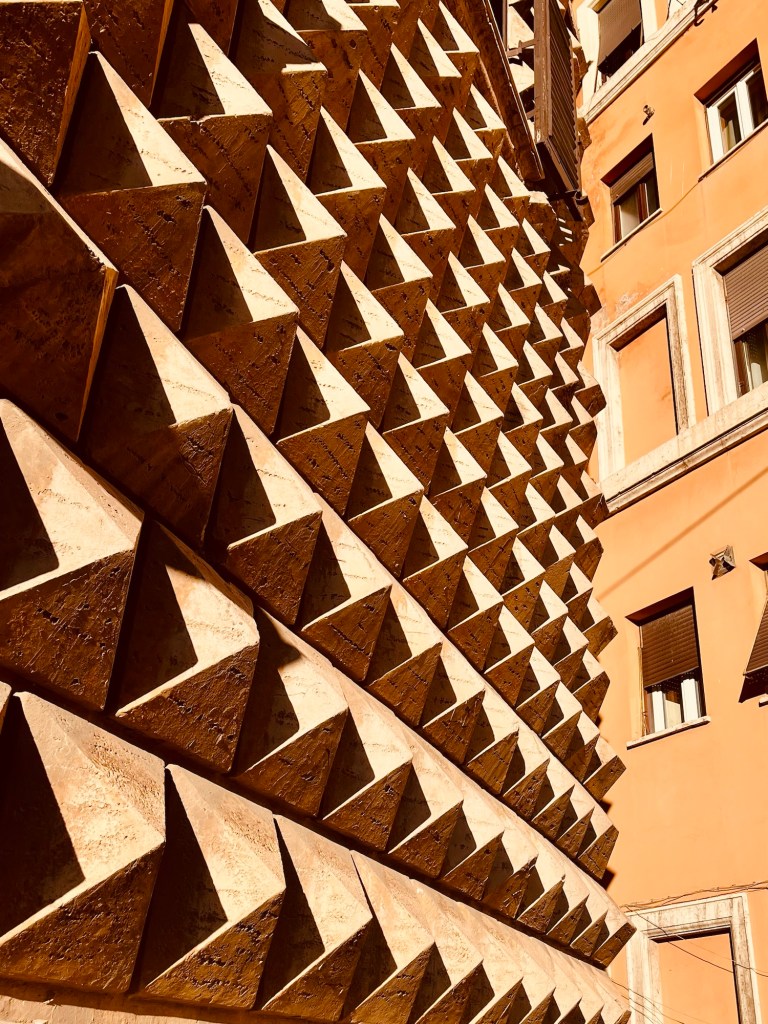
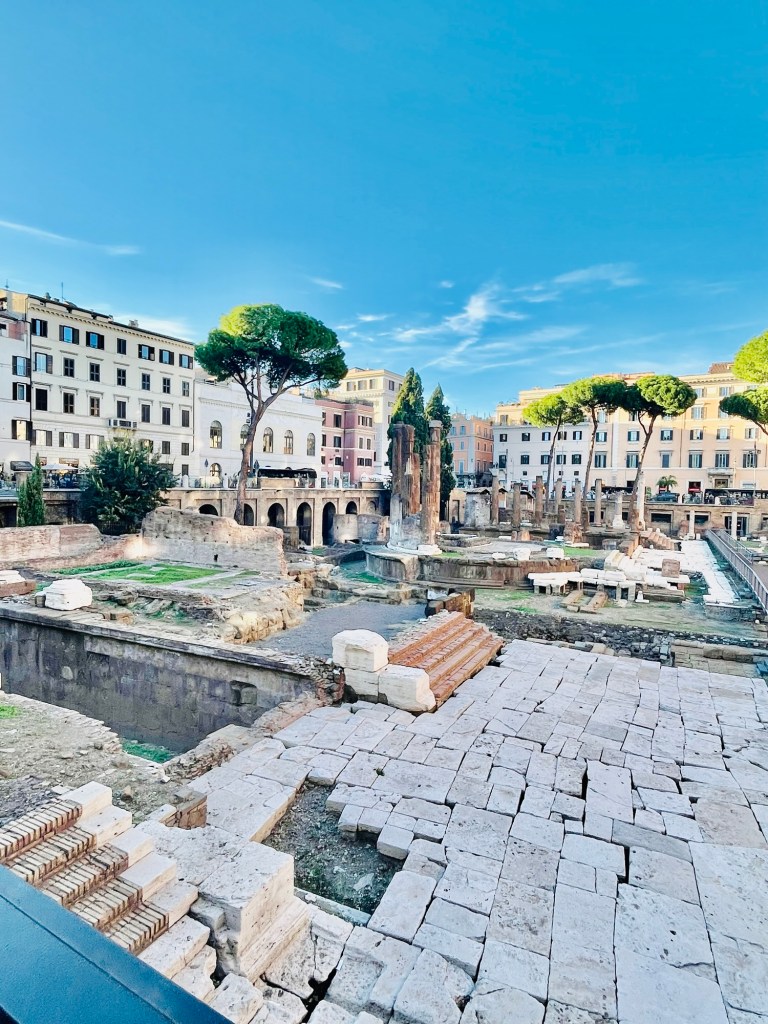
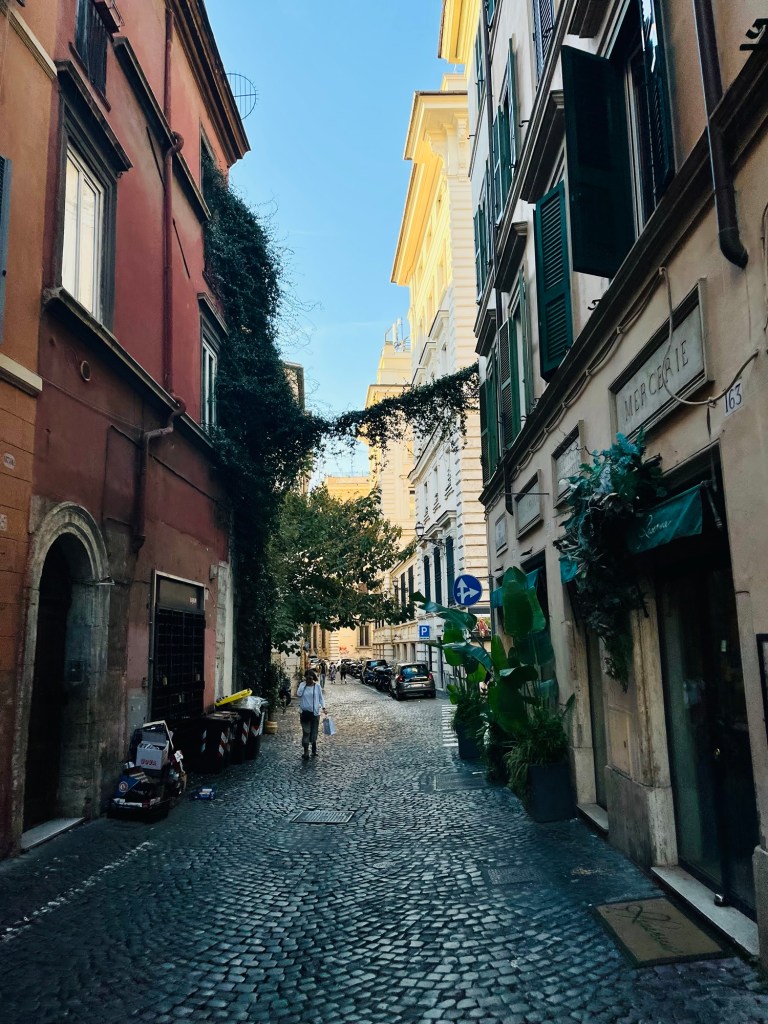
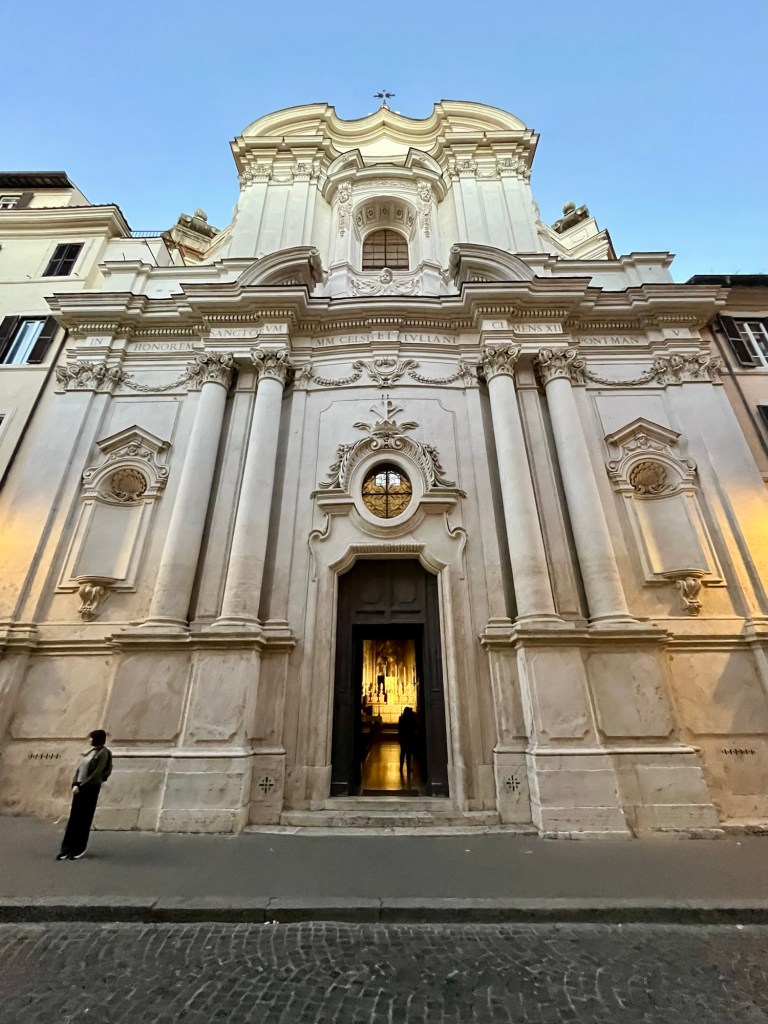
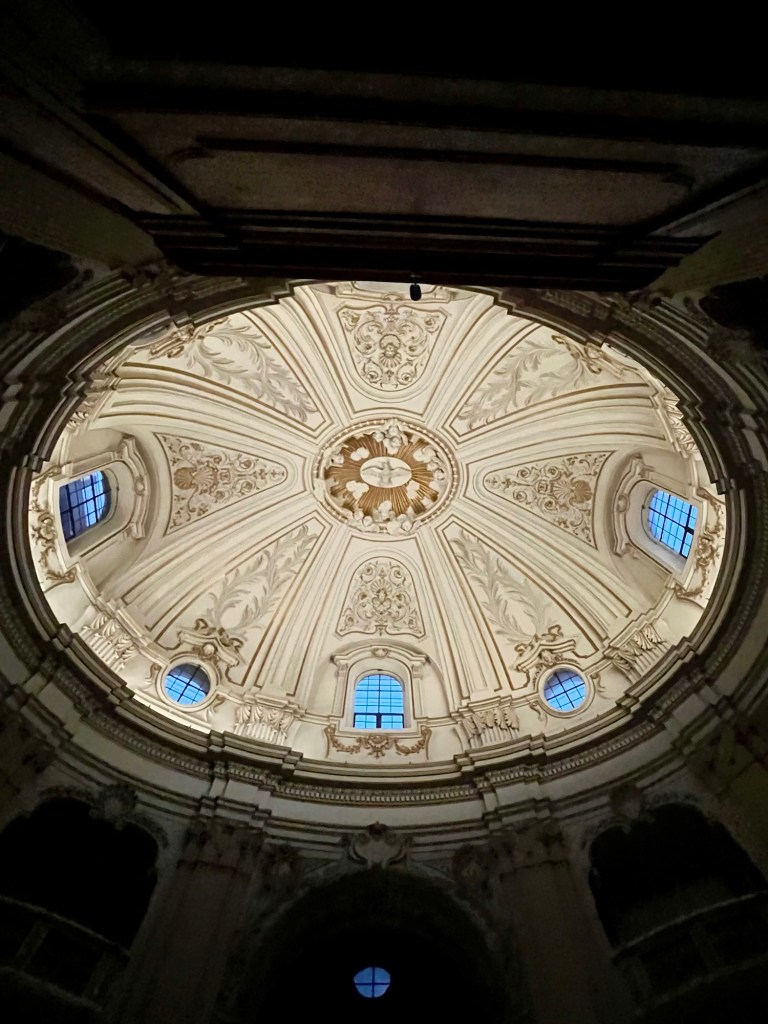
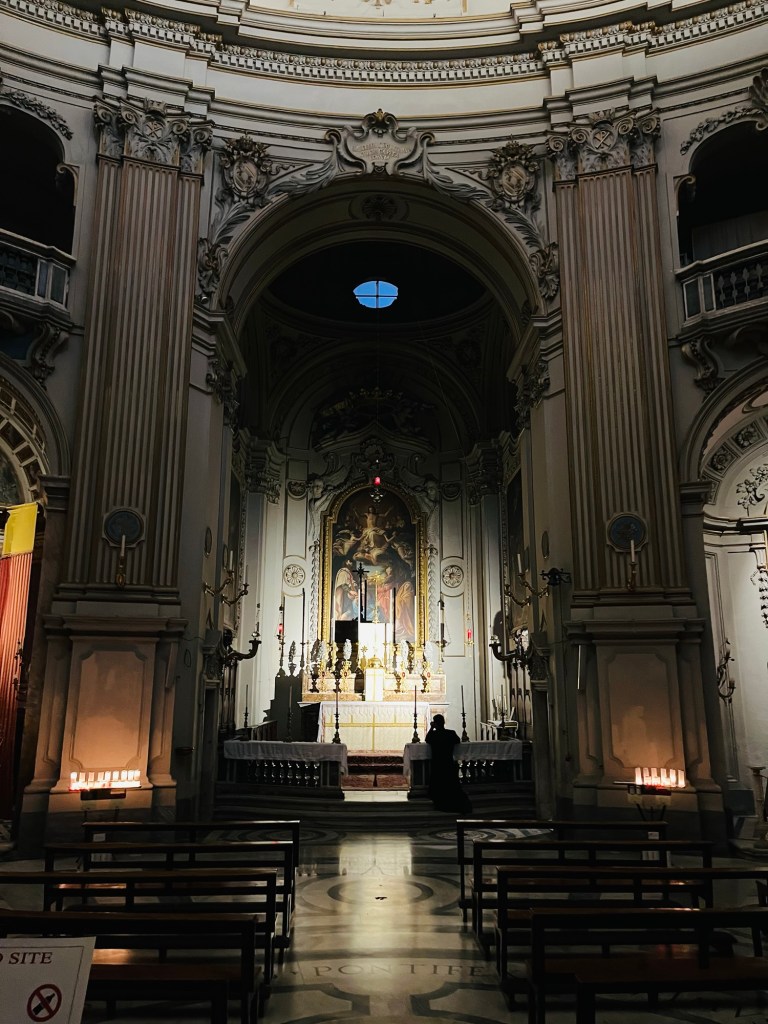
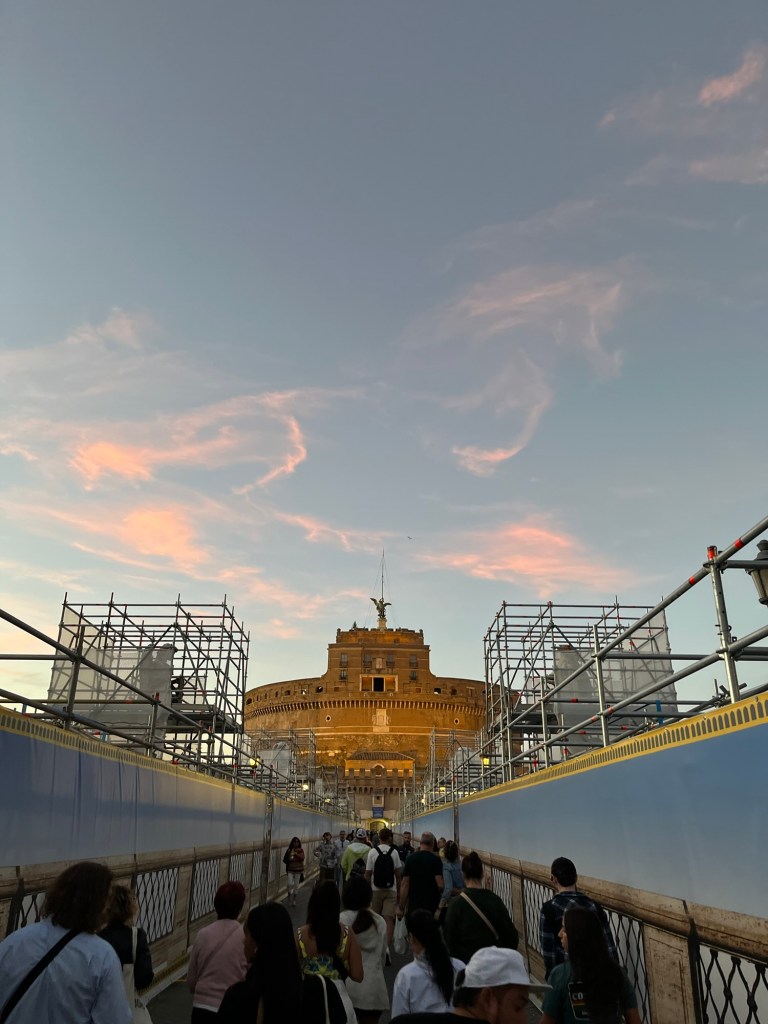
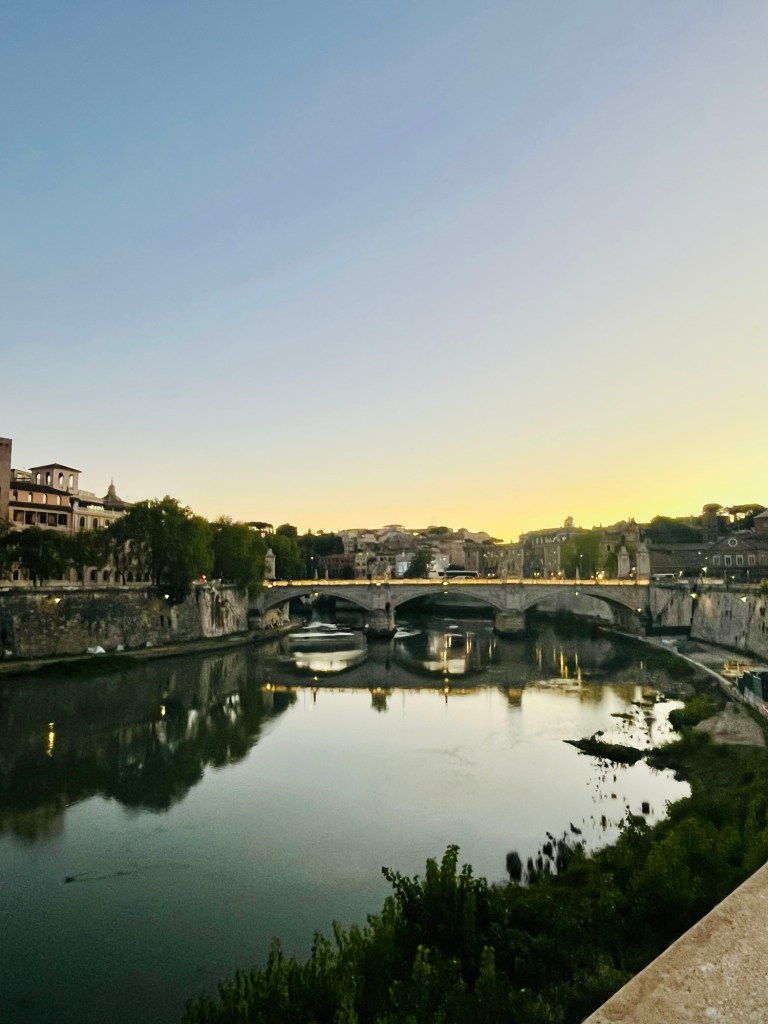
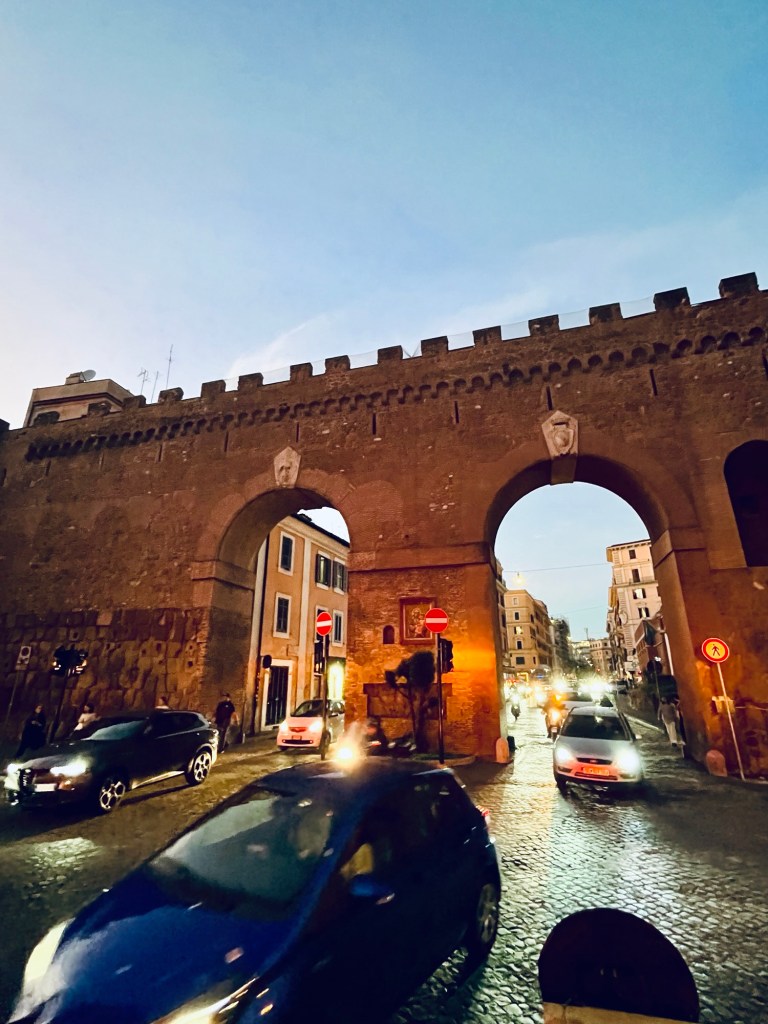
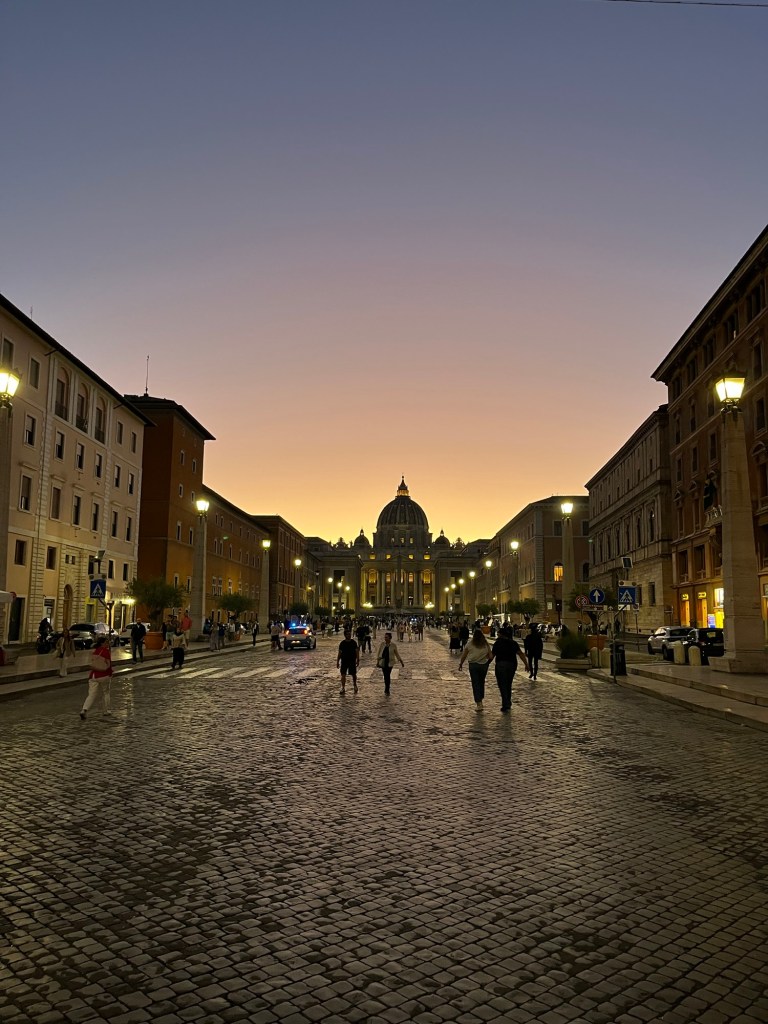
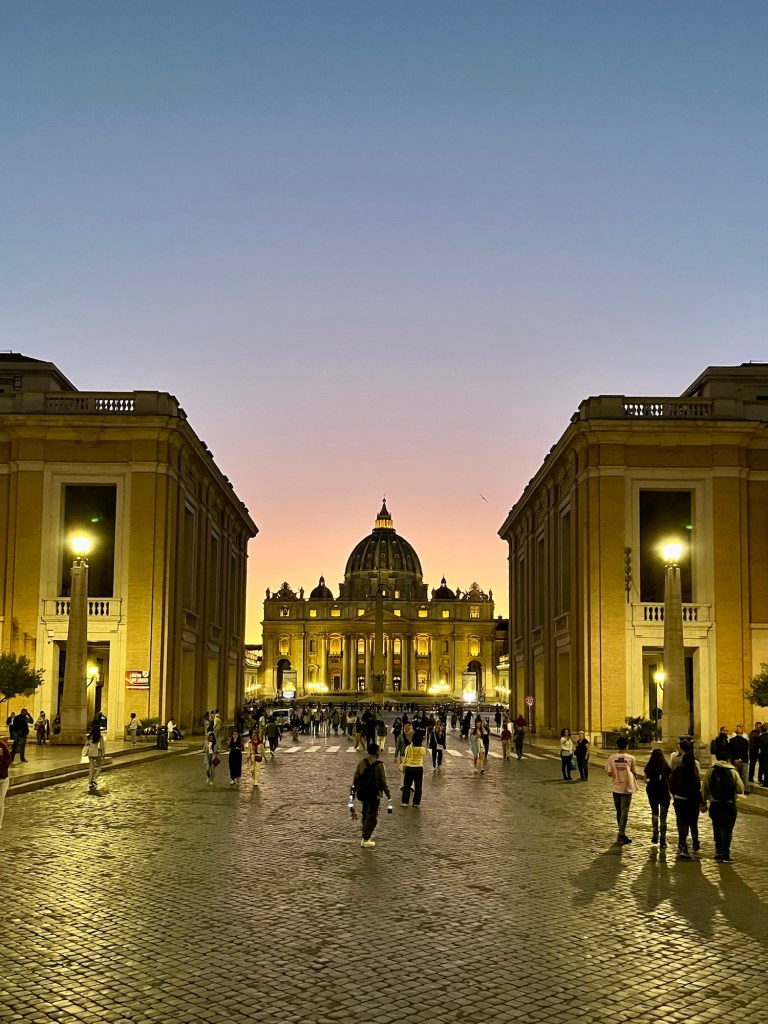
Walked 13.1km : 19,003 Steps
 MM4.Travel
Leave a comment