Saturday September 28 –
Venice
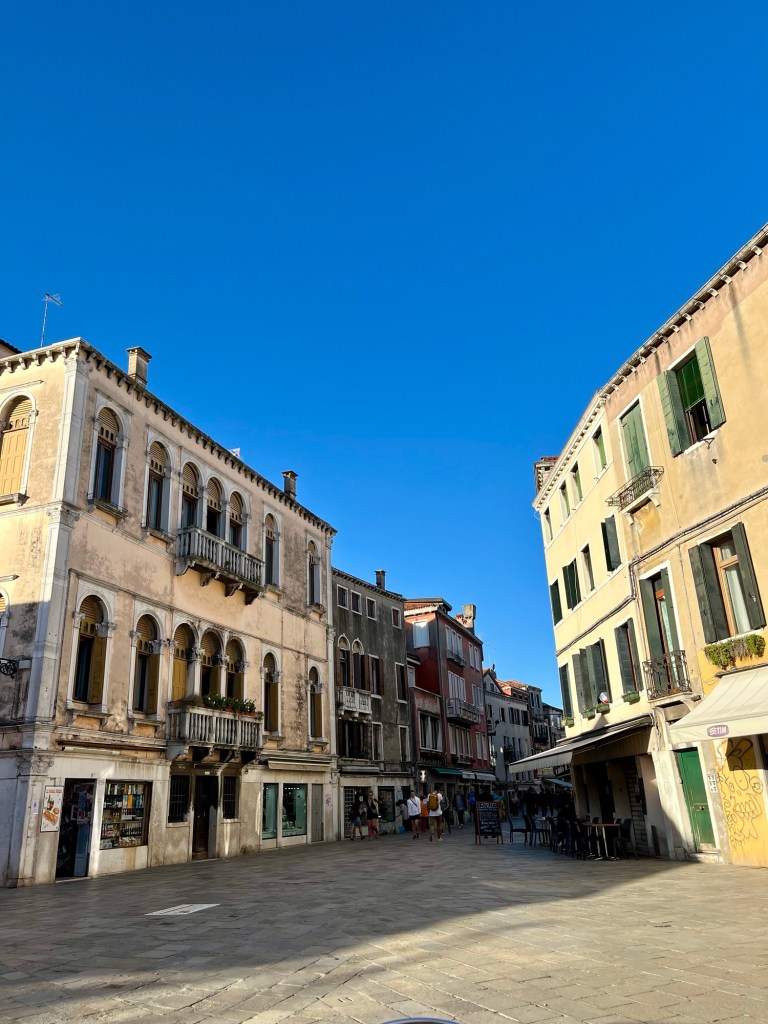
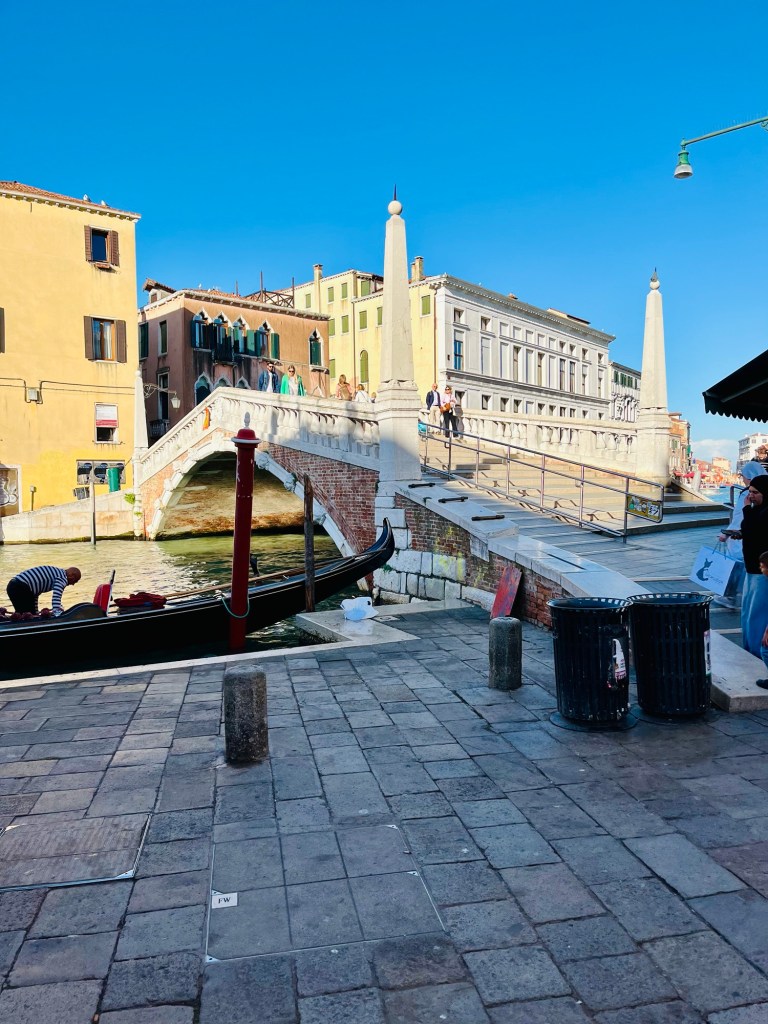
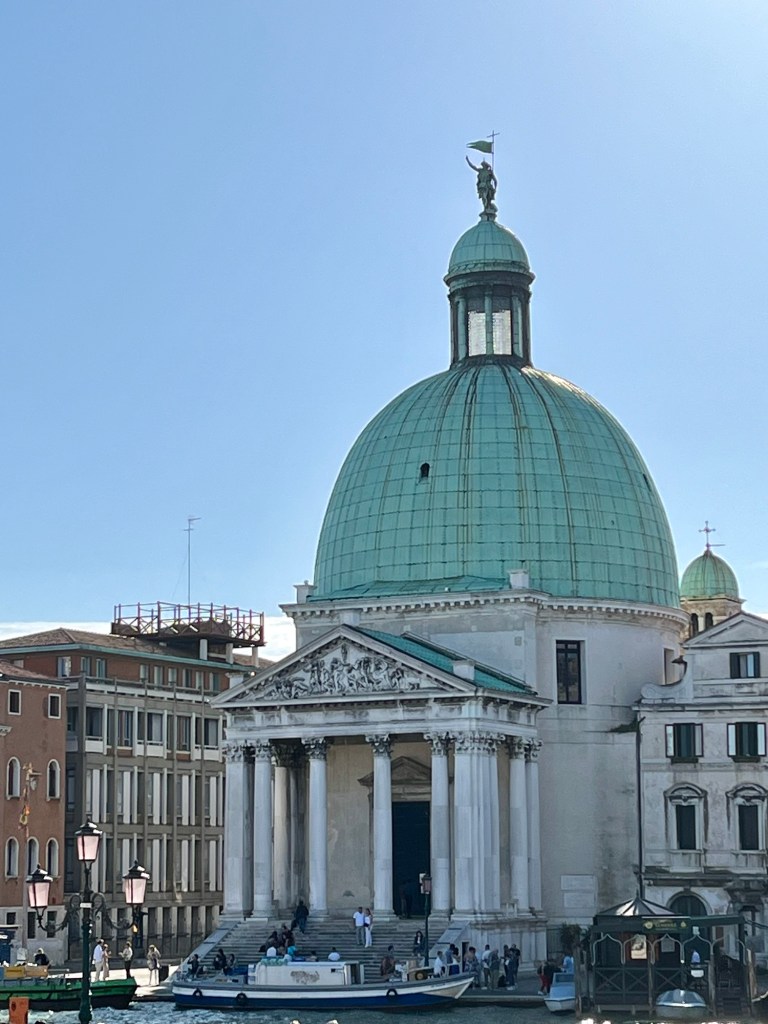
Venice had been pretty special, for obvious reasons! We definitely could have had a few more days there, it’s extraordinary, but we had to press onto Florence.
There are a few things though that they don’t tell you about Venice, these are mainly due to do with some fairly suspect smells.
Florence
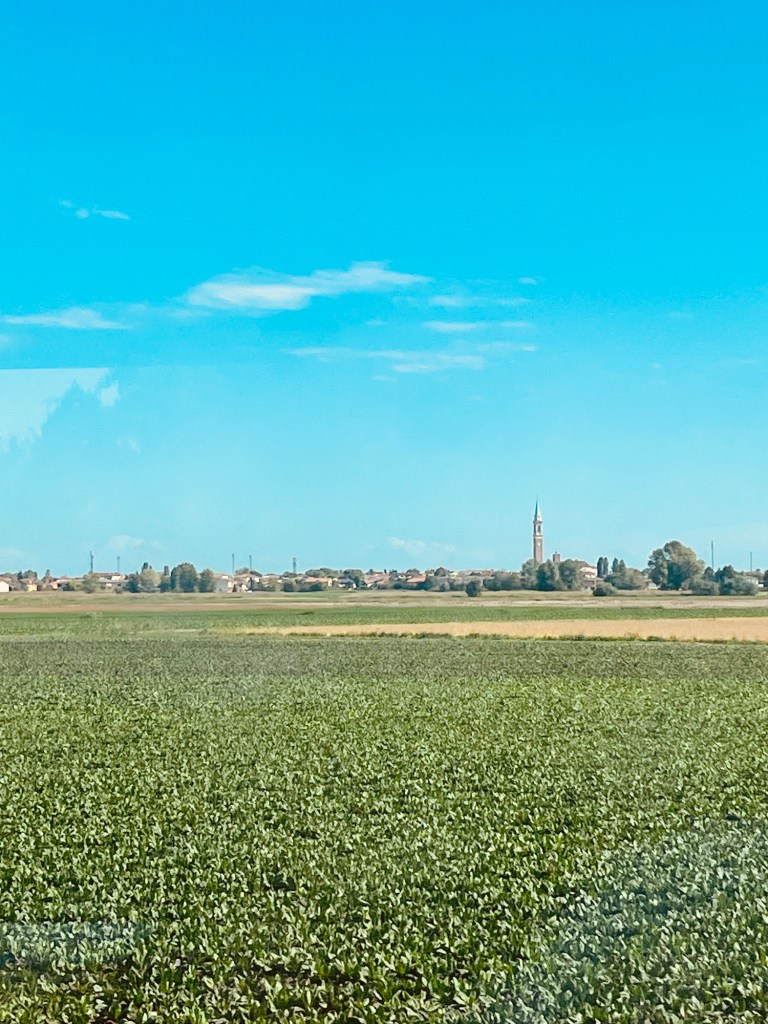
We got into Florence around midday, throughout the trip we have learnt that train stations tend to be universally average, cobblestones are brutal, and Italian Hotels all have bidets. With this new found knowledge we headed down see the Duomo.
Piazza del Duomo
We had wanted to go to see Florence Cathedral, but despite it being a Saturday it was closed to the public.
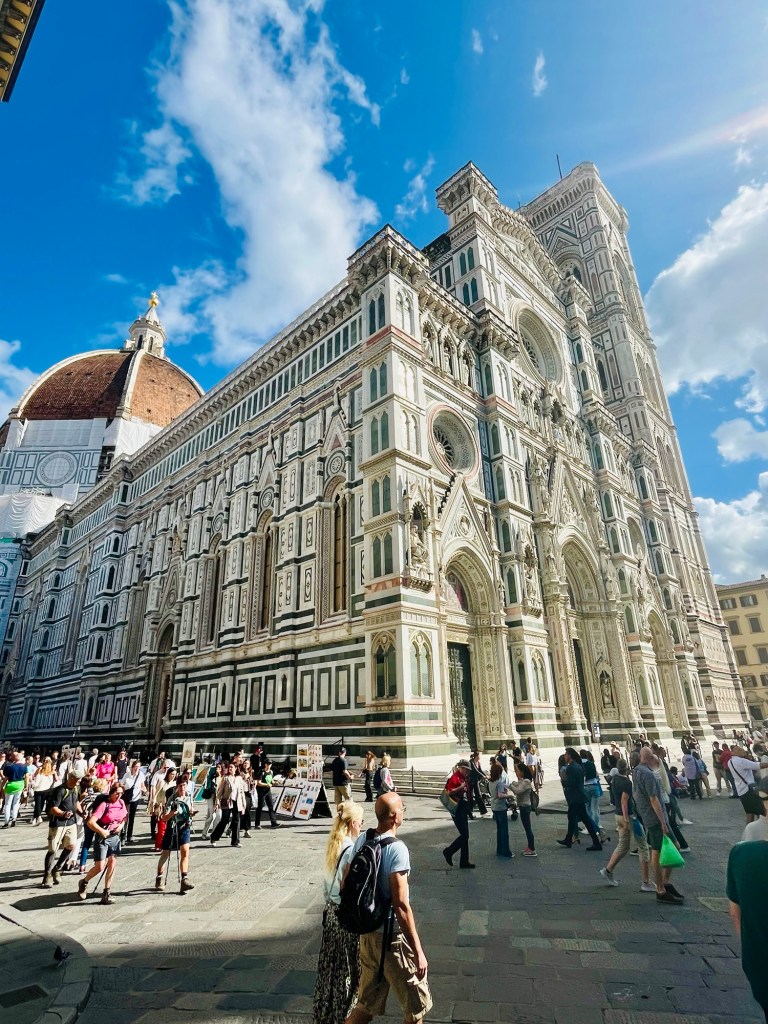
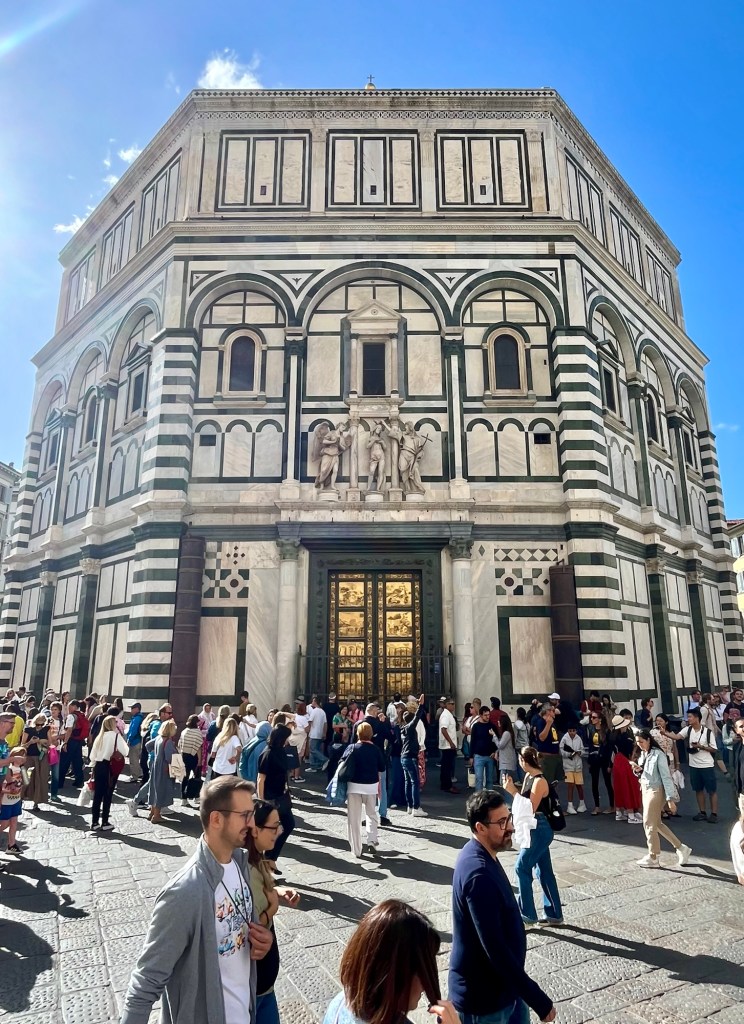
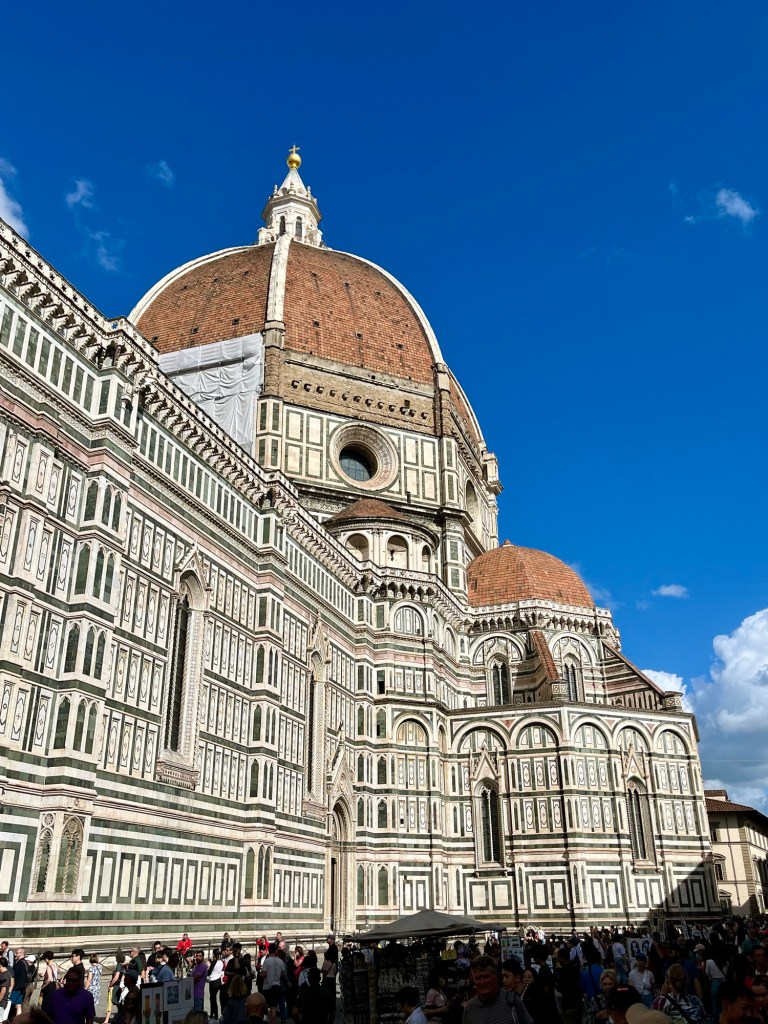
The dome of Florence Cathedral is often given as the start of the Renaissance, and a return to classical ideals and such things. While this is partly true as with most things it’s a bit more prosaic, the Florentine’s (not the biscuit) wanted to distinguish themselves from their northern enemies who were into Gothic architecture. This would be first major dome built in Western Europe since the pantheon in Rome. Again totally true, but again this grossly overlooks all the domes that had been built all over Byzantine Empire, Ottoman Empire and Persia.
Some of the initial ideas for building the dome were pretty wacky, one guy thought you could fill the church with dirt and build the dome on top, he also suggested throwing some gold coins in, so that the little street urchins would then dig it out. Surprisingly that wasn’t a winning idea.
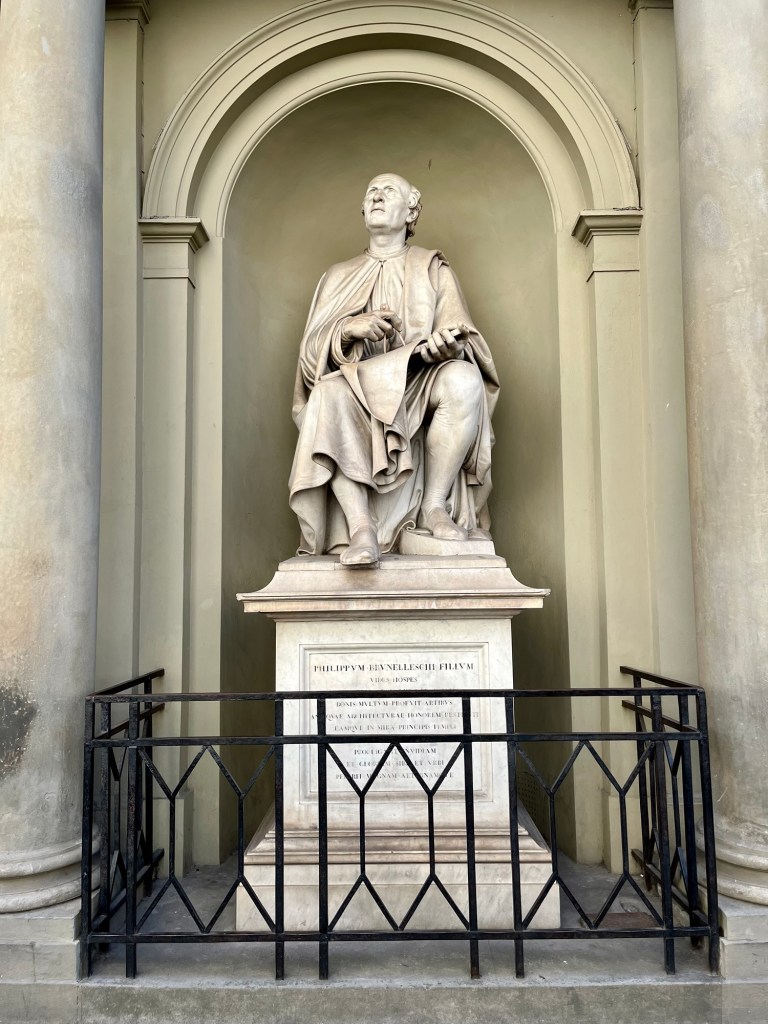
The eventual winner was Brunelleschi, who used a double dome out of brick, unlike the pantheon which is solid concrete. The other benefit of using brick is that the dome could be built without scaffolding. Clever Chappy.
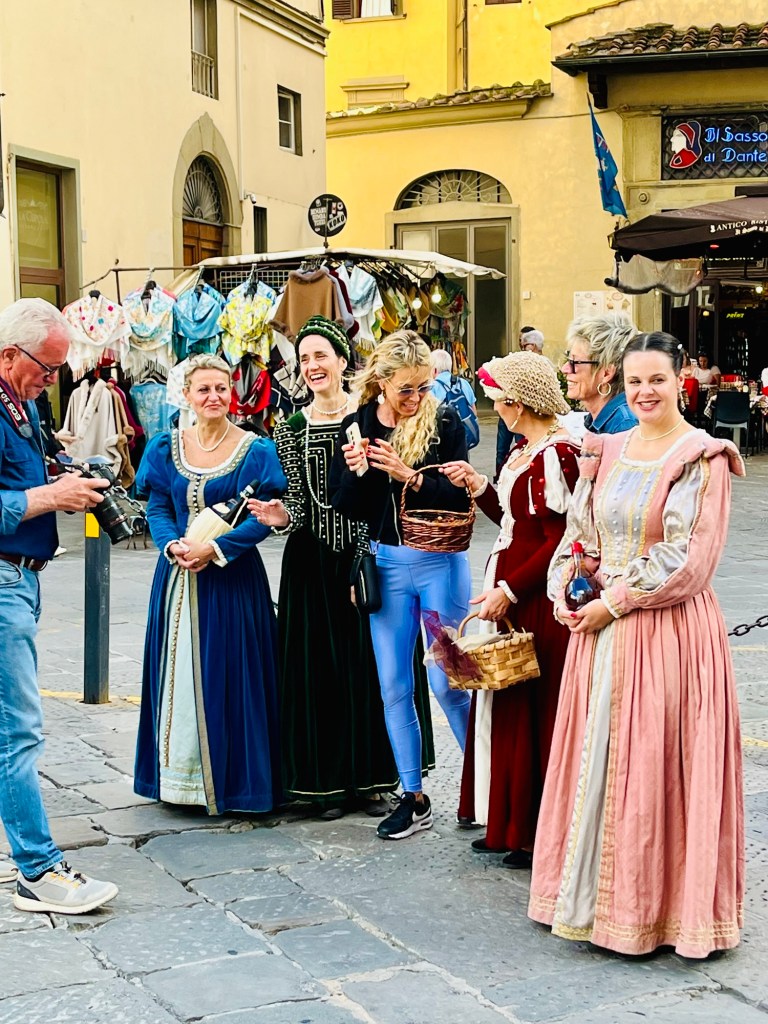
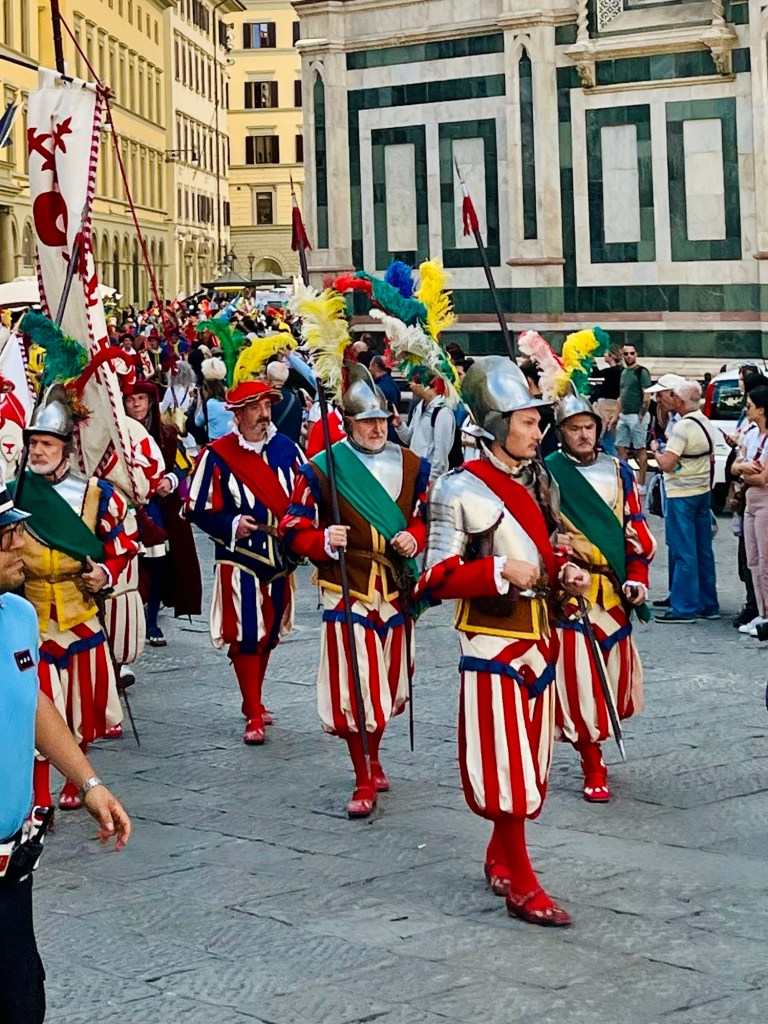
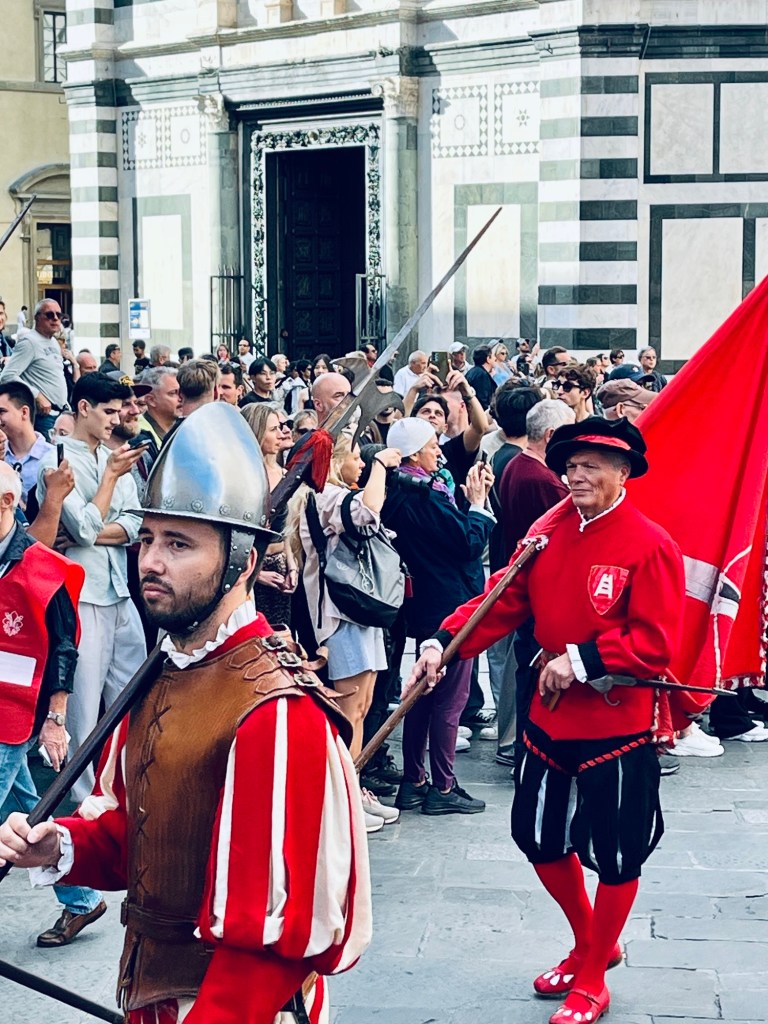
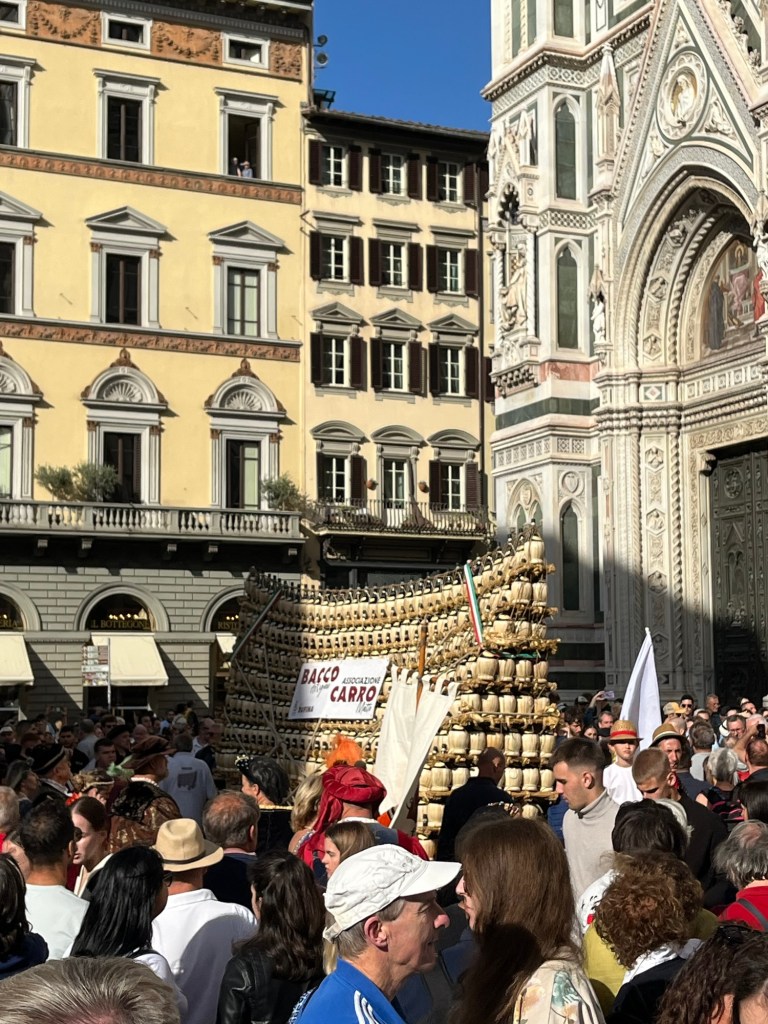
It turns out the day we were there was the Bacco Artigiano festival, that celebrates the new season’s wine. We had initially thought it was some tourist trap, with people dressed in renaissance kit for photos. Turned out to be a full parade with trumpets, drums and pikes (as you do), and then a giant cart with all the wine is pulled around the church a couple of times and then taken into the church to be blessed.
Chiesa di Santa Maria Maggiore
After watching the parade, and passing a protest that turned out to be a virtual potpourri of causes, including but not limited to the over-extraction of Cacarra marble, Palestine, the liberation of Iranian prisoners, along with a syndicalist union thrown in for good measure. Slightly flummoxed we headed from the square to the Basilica of St Maria.
On the way we randomly popped into the Church of St Maria Maggiore. Marnie was very tolerant of my ad hoc church side tours. During our trip there were a lot of side tours!
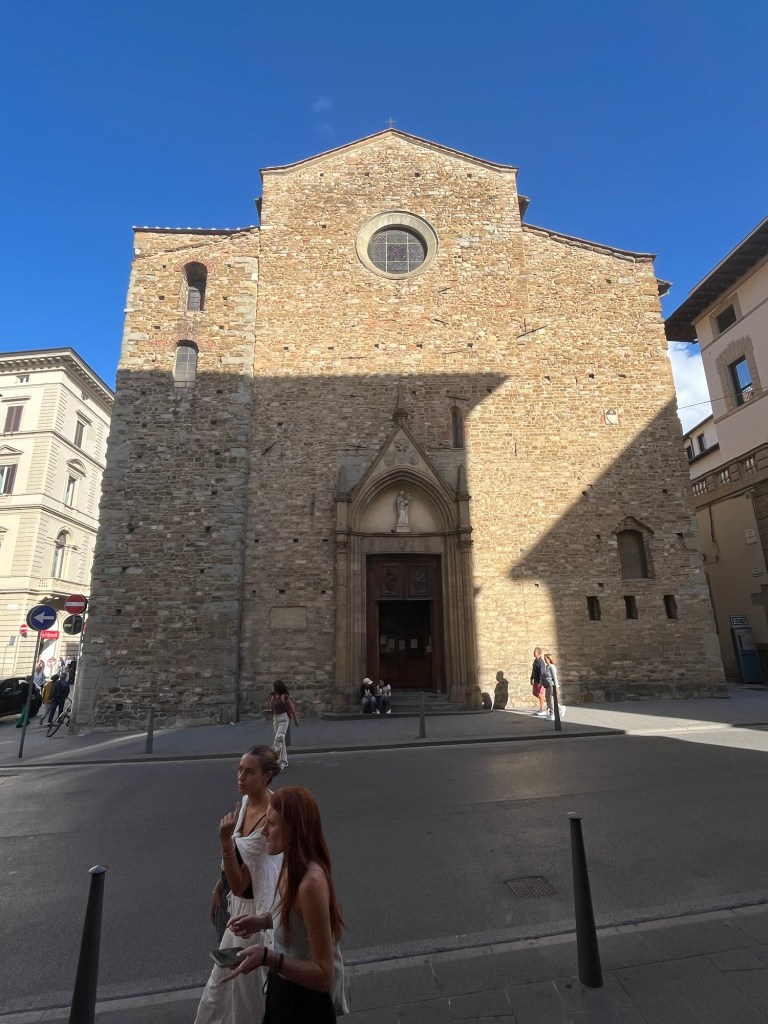
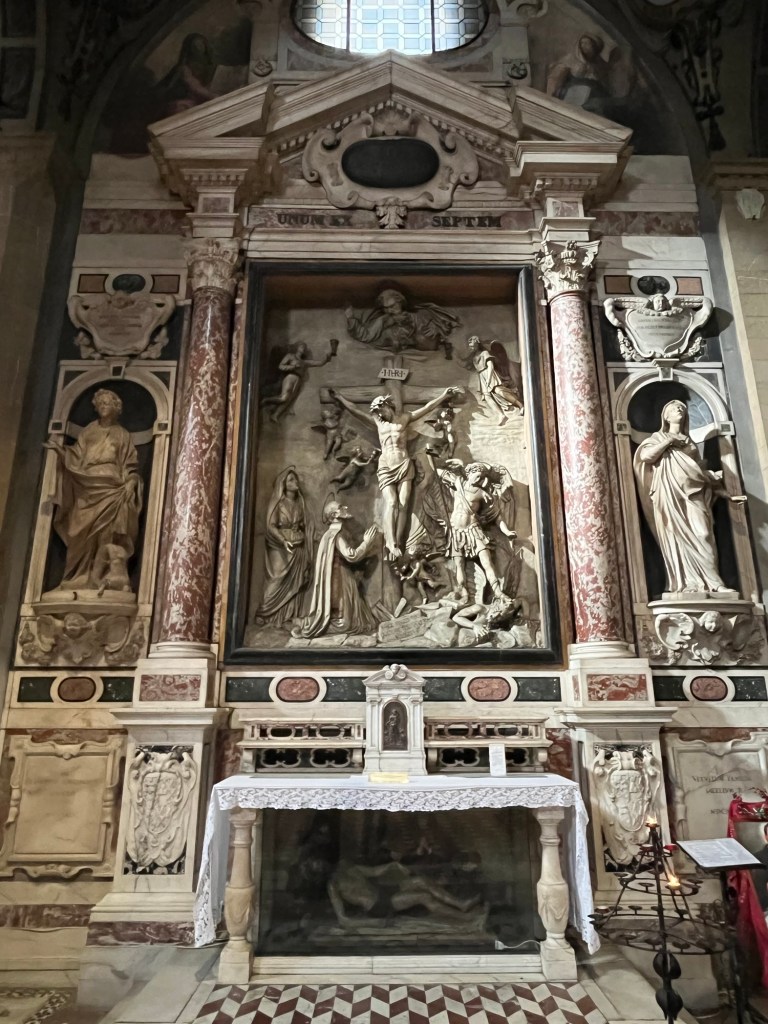
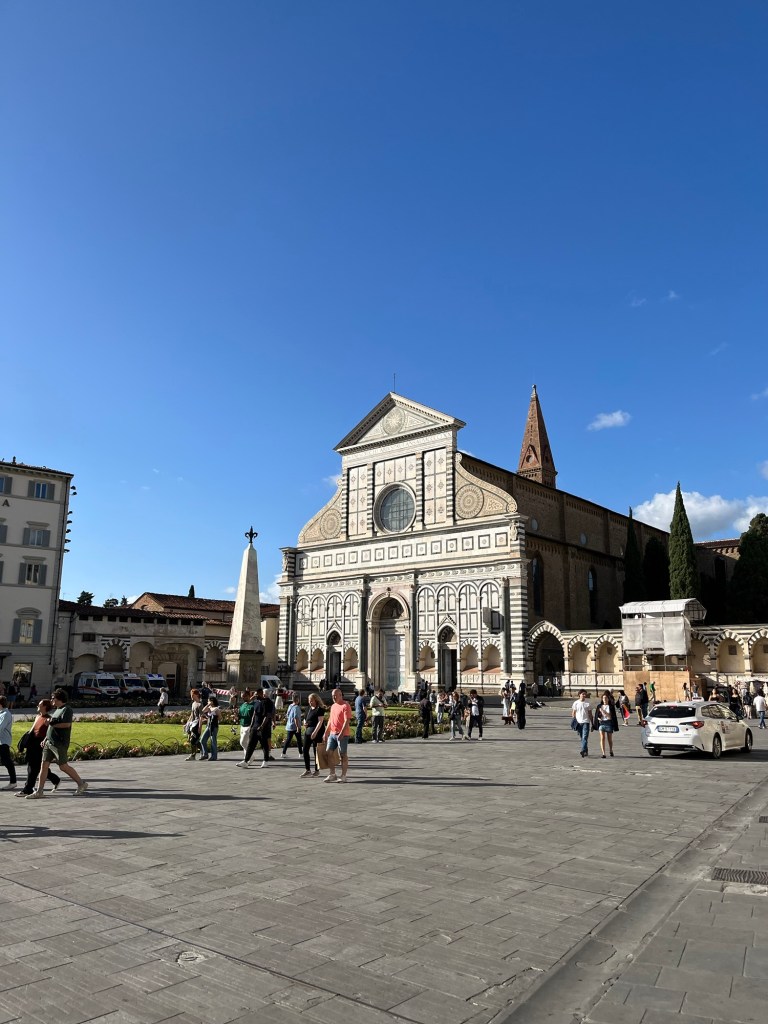
Basilica di Santa Maria
With the festival being on the basilica was closed for the day and we weren’t able to go in. The facade is famous for being designed by Leon Alberti, who was an early renaissance architect and artist, and well known for writing the first treatise on architecture since Vitruvius in about 15AD.
Ponte Vecchio
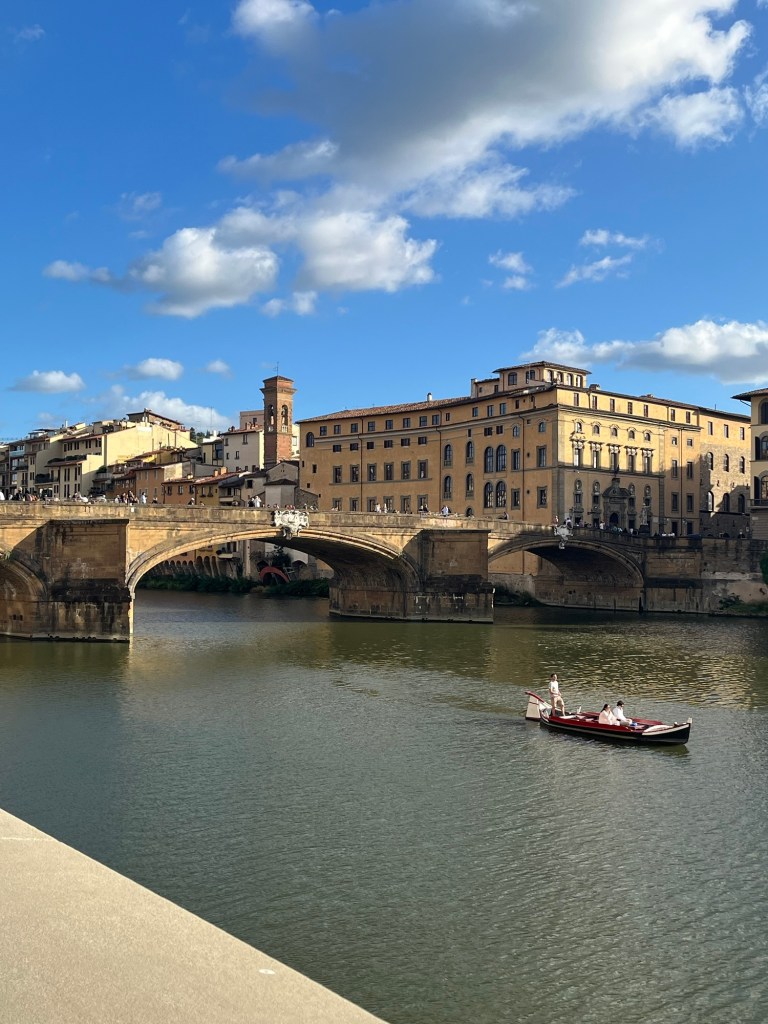
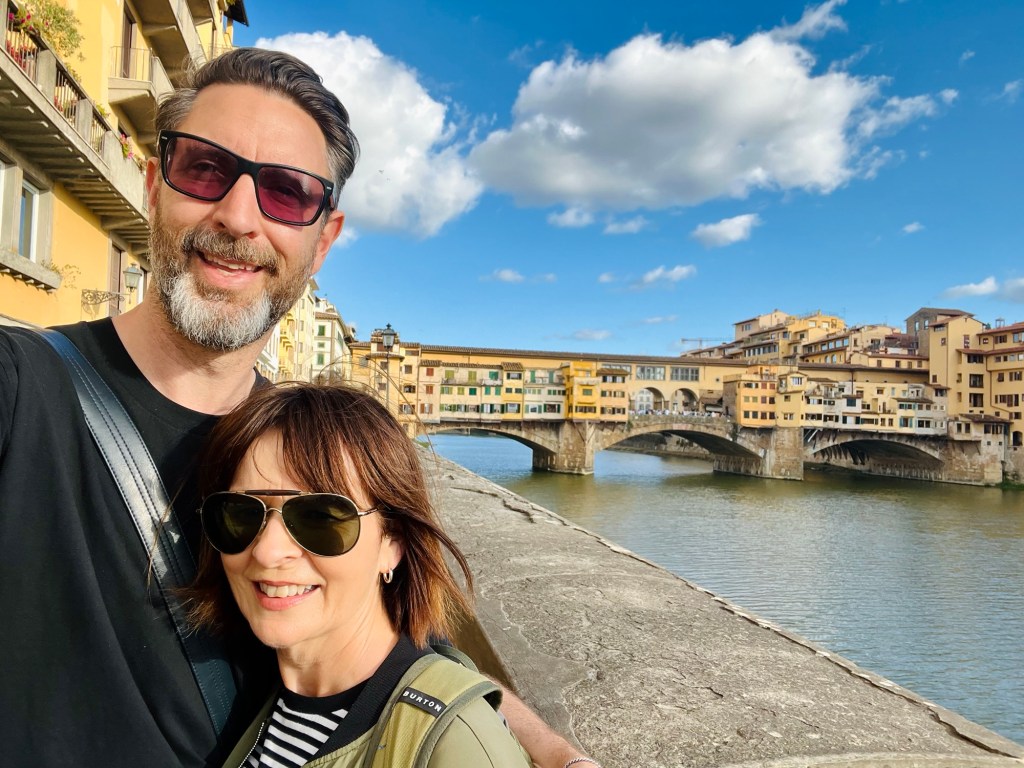
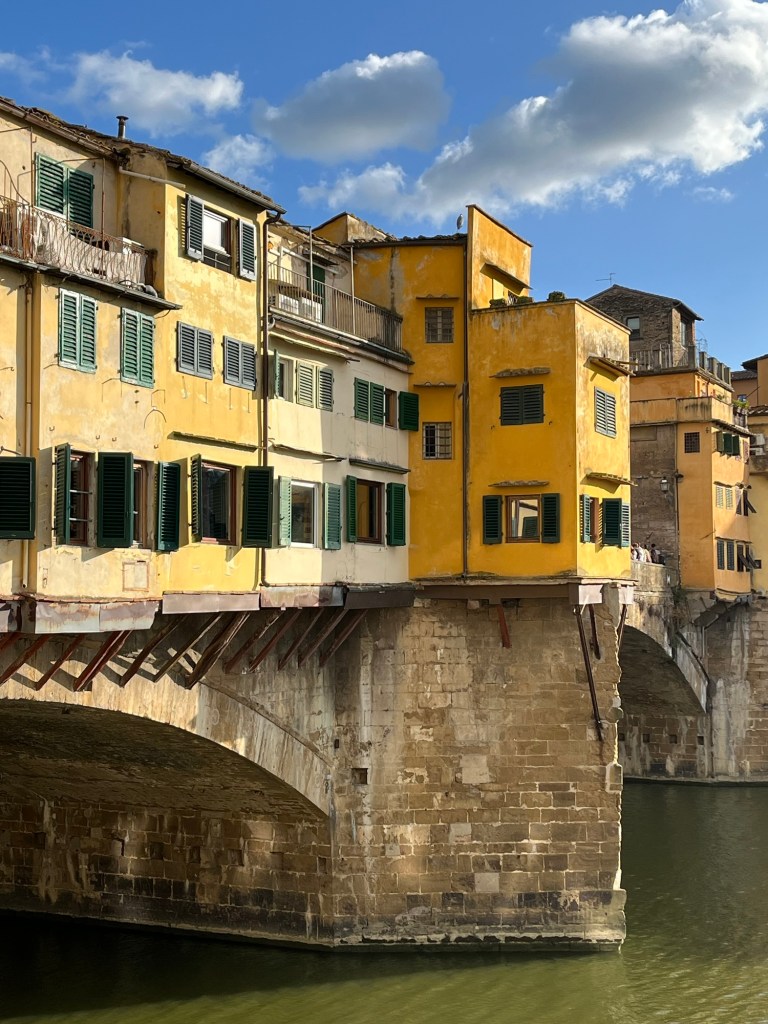
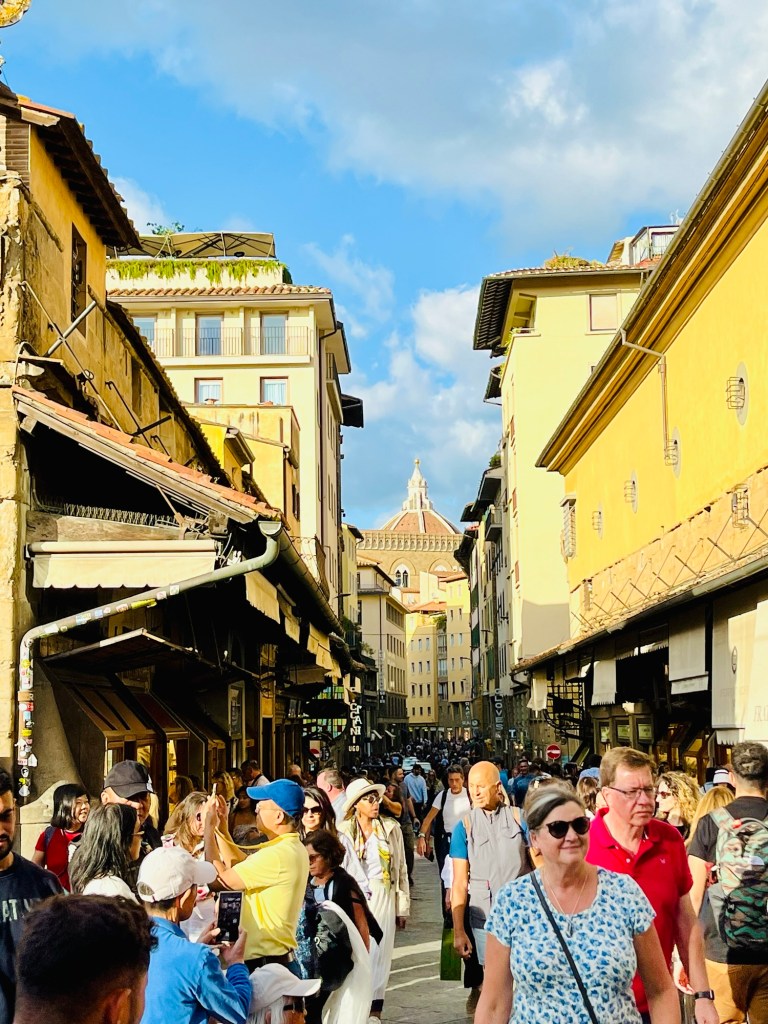
With the Basilica being closed, we decided to head to the Ponte Vecchio.
Piazza della Signoria
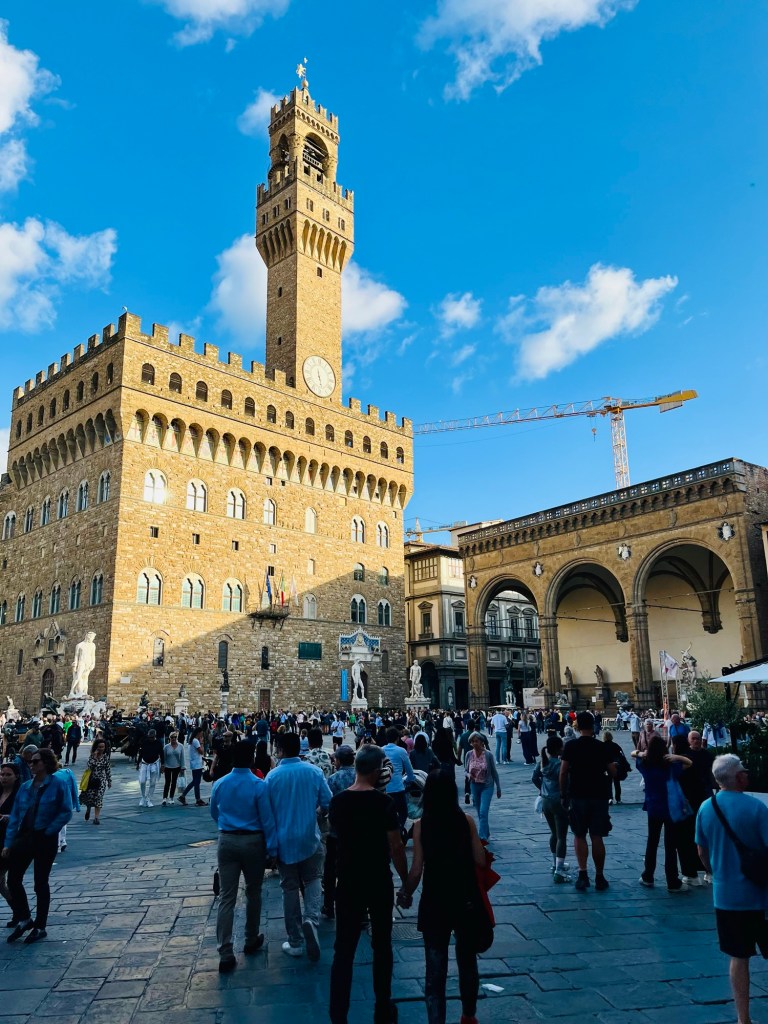
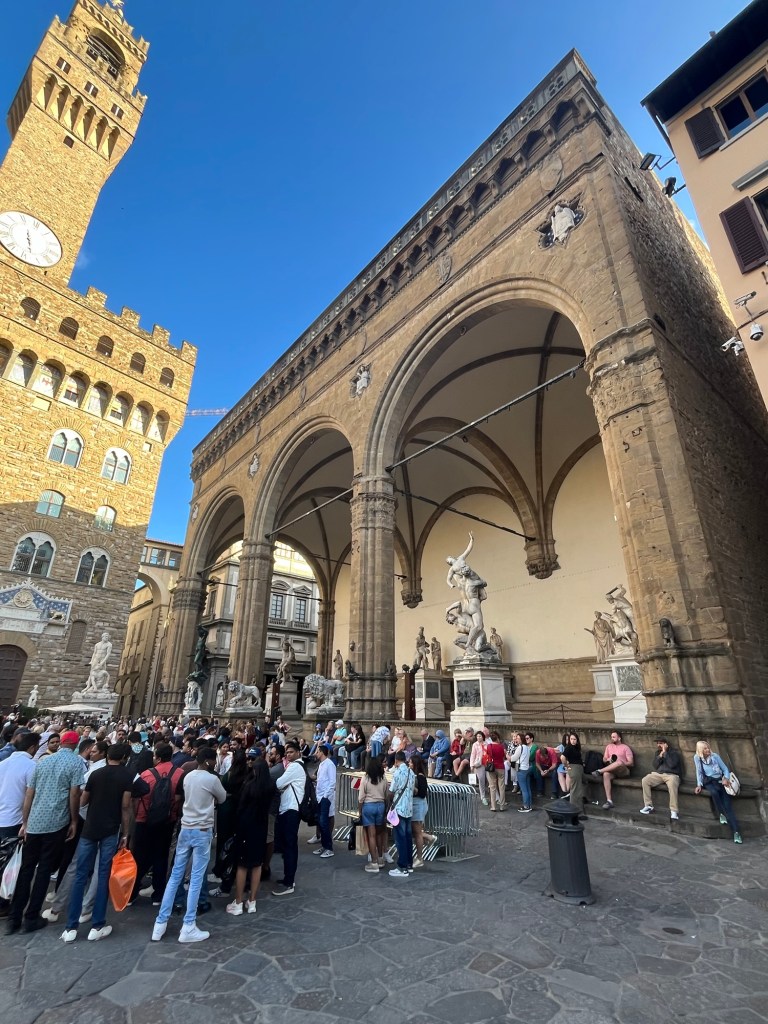
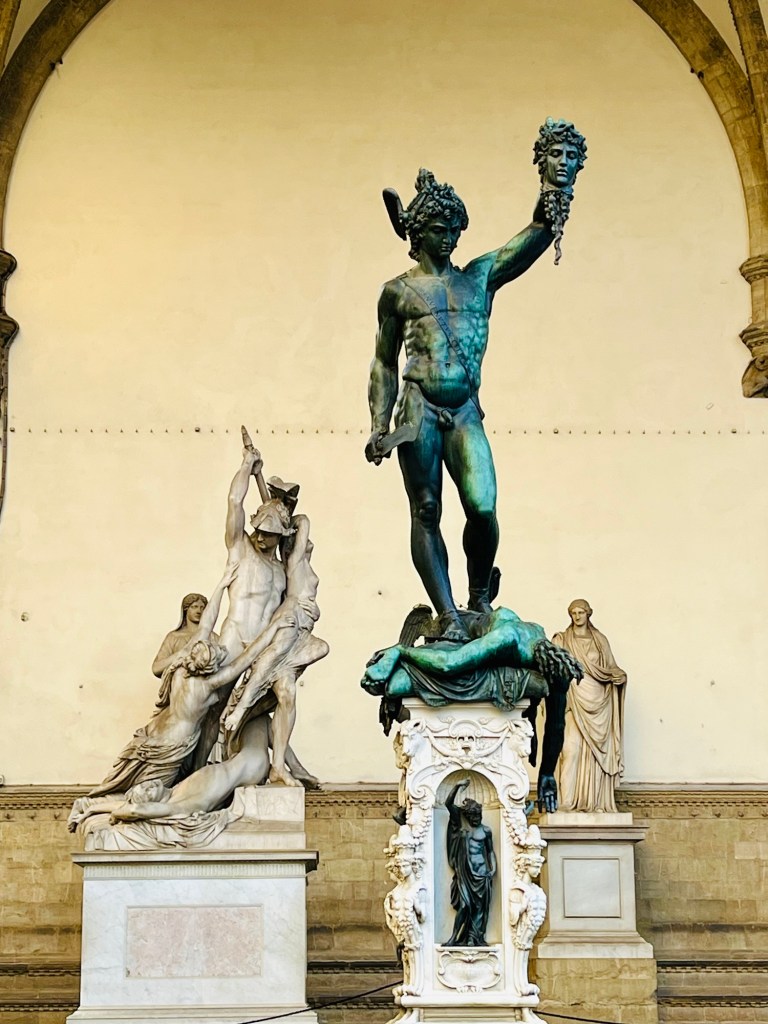
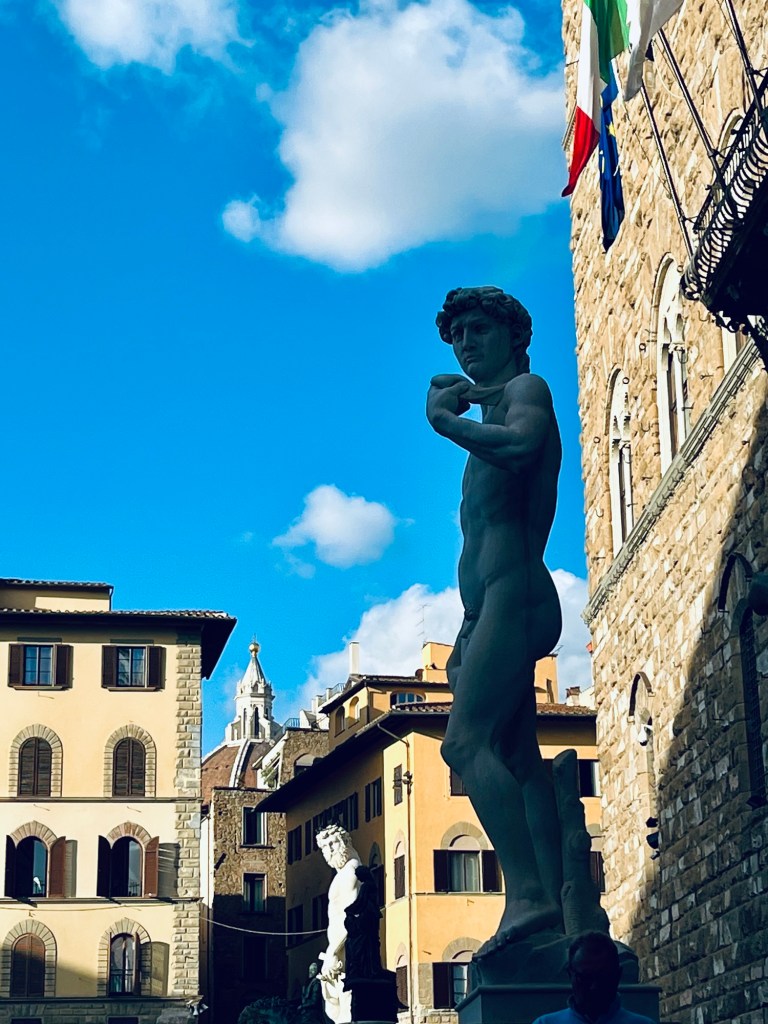
Heading from to the bridge back to the hotel took us past the Piazza della Signoria.
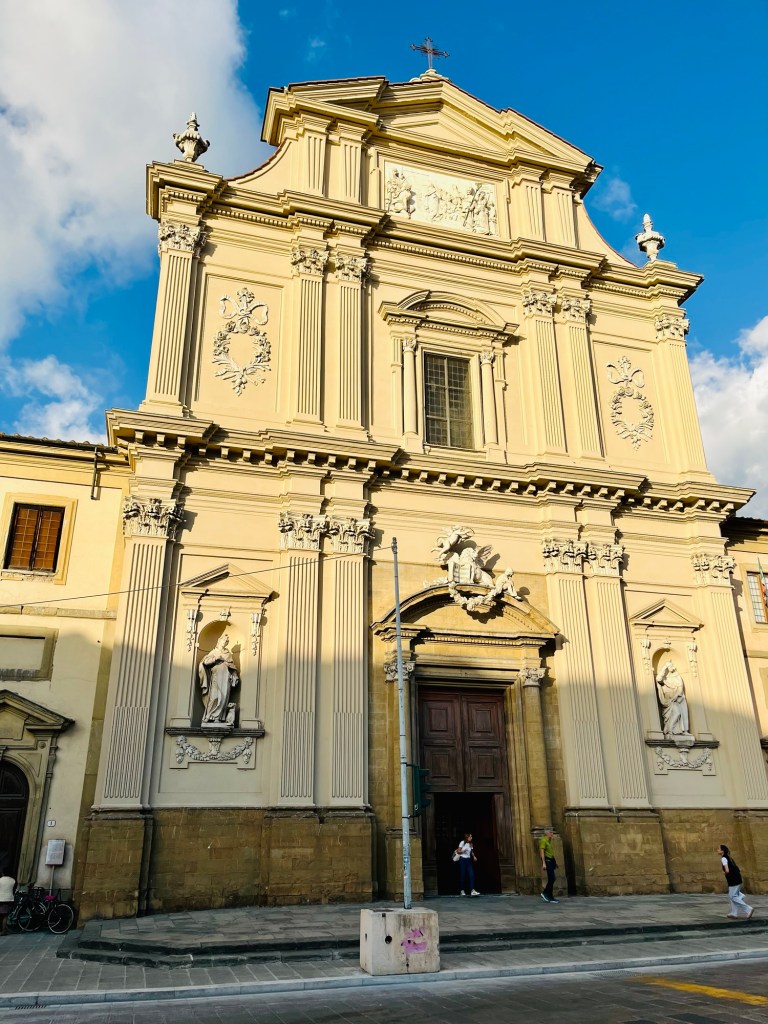
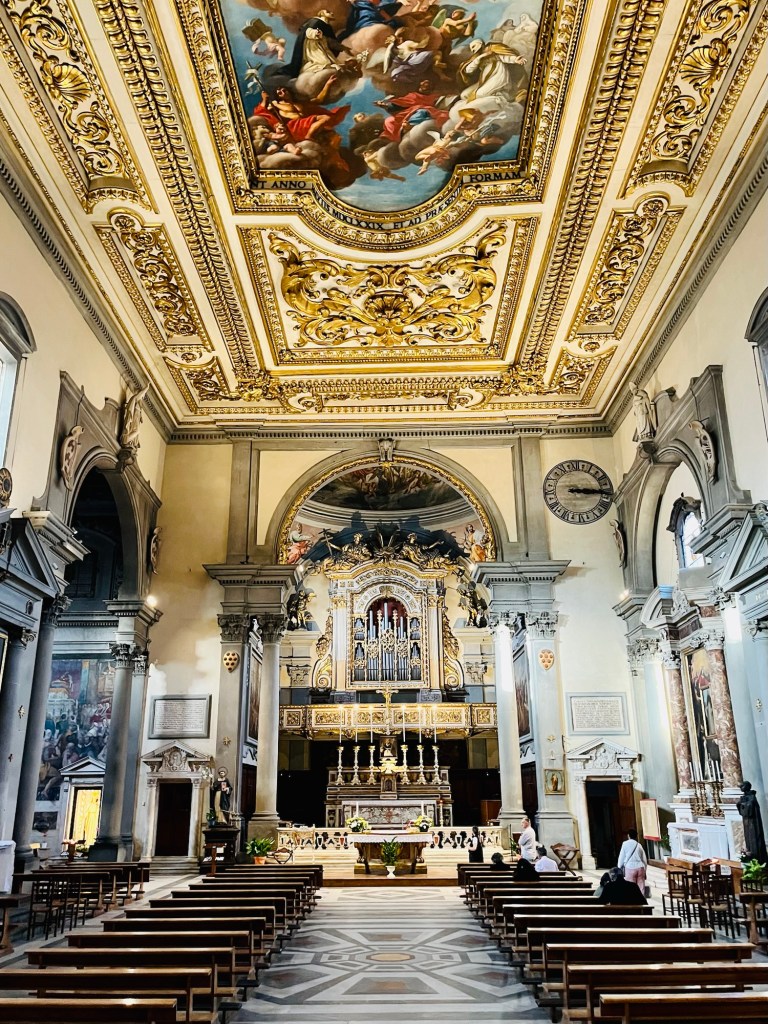
Basilica di San Marco
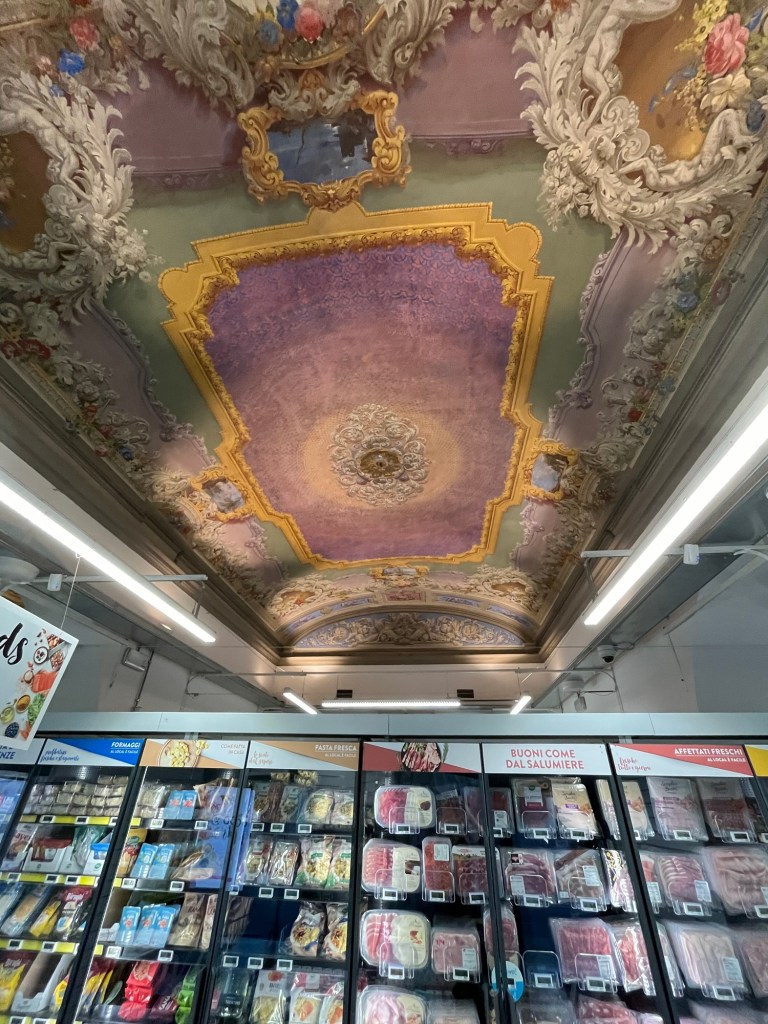
We decided to head back to our hotel, on the way we passed the Basilica of St Mark’s.
Walked 10.9 km / 15984 Steps
 MM4.Travel
Leave a comment